Aggregate
- Material form
- Loose abrasive particles
- Typical application
- Support bulk transfer on a belt conveyor
- Handling considerations
- Choose cover wear resistance and impact support
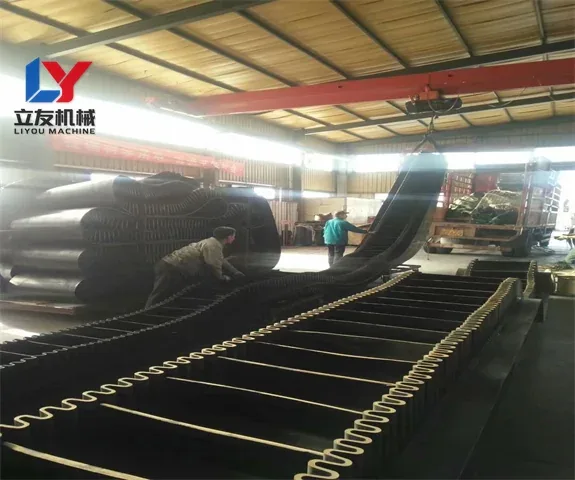
Spare Parts
Replace a worn carrying surface with rubber conveyor belting matched to the conveyor, bulk material and operating conditions.
Compare Spare Parts ↗Restore a continuous carrying surface where cuts, worn edges or damaged joints prevent reliable transport.
Match cover resistance and belt construction to impact, abrasion and the conveyor tension.
Carry abrasive bulk material with a cover and carcass suited to the loading zone, trough and pulley arrangement.
Replace existing belting while checking width, strength, splice and pulley compatibility. Heat, oil and food-contact duties require their own specified belt grade; black rubber alone does not identify suitability.
The rubber covers protect a reinforcing carcass while the complete belt transmits tension around the conveyor. Cover thickness, reinforcement and splice construction affect service life and compatibility.
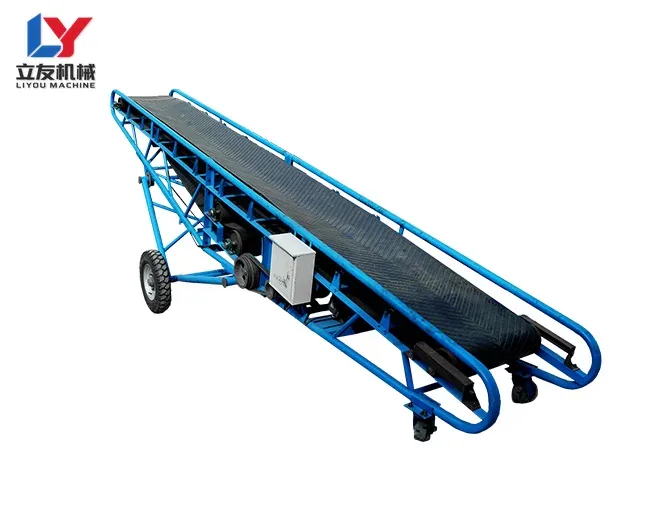
Move sand, aggregate, grain and other bulk solids between loading, processing and storage points with a belt conveyor.
Explore equipmentA moving drive with an underperforming belt can indicate slip at the drive pulley, but poor throughput may also result from overloading, a blocked discharge or material rollback.
Read guideUseful answers
Reinforcement, belt thickness and splice construction affect how the belt bends around pulleys. Matching width alone does not establish compatibility.
Start with your material
Share your material, throughput and process requirements. We will review the details needed for equipment selection.