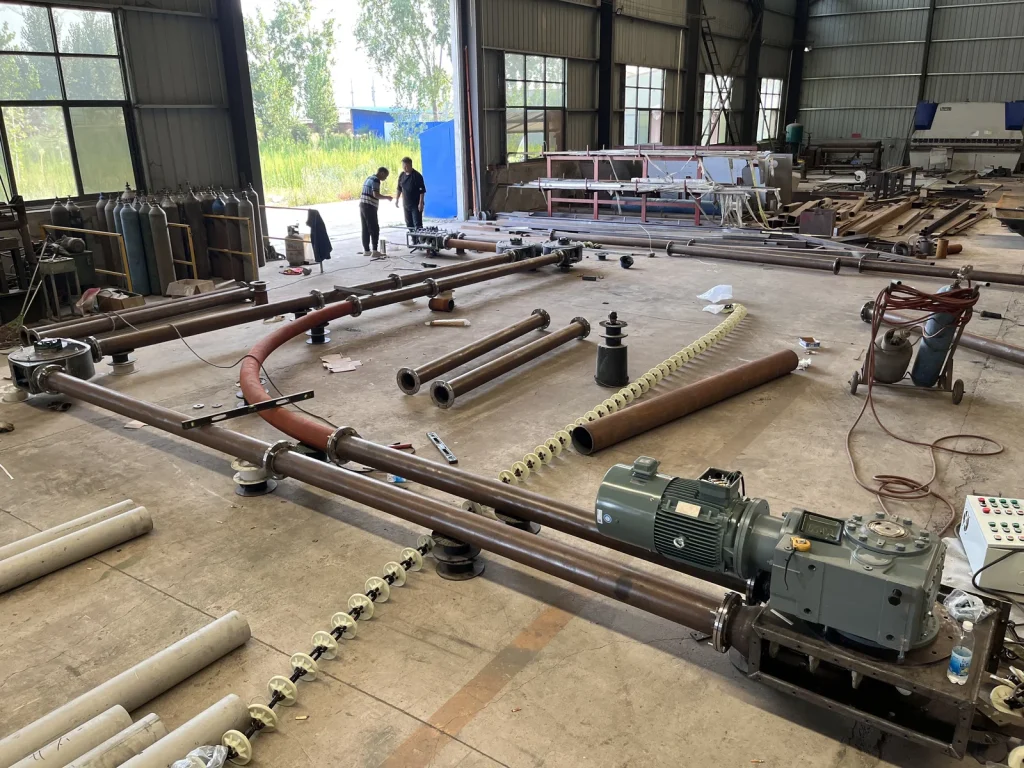
How Tubular Drag Chain Conveyors Move Powders and Granules
How tubular chain conveyors handle chemical powders, mineral fillers, resins, grains and ingredients, with practical dust, wear and cleanout conditions.
Read guideLIYOU Screening & Conveying
Technical guidance for equipment selection and operation.
Screening cuts, dust containment and material carryover in production.
How tubular chain conveyors handle chemical powders, mineral fillers, resins, grains and ingredients, with practical dust, wear and cleanout conditions.
Read guide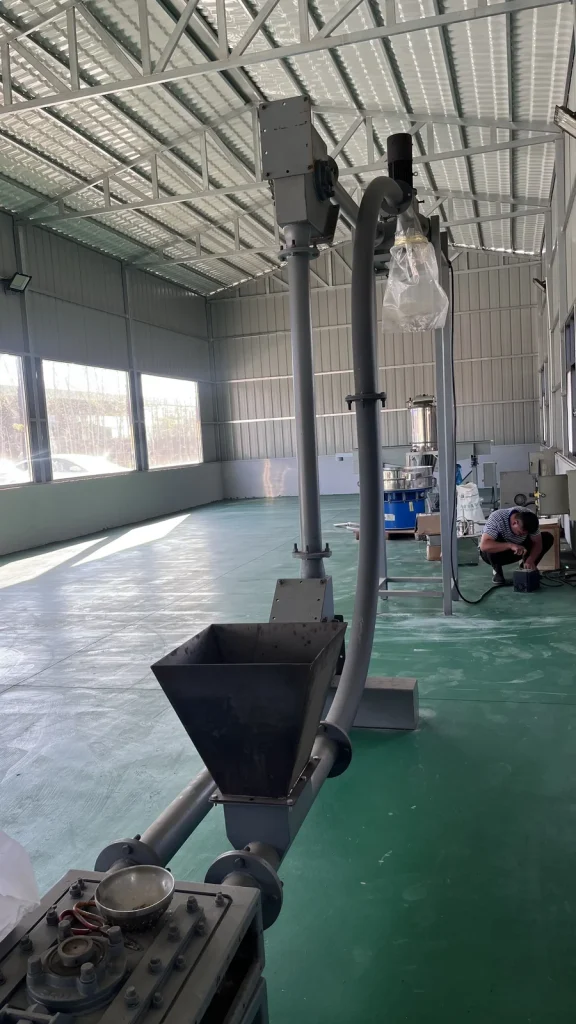
GL89 to GL325 tube diameters, volume capacities, lift limits and motor ranges, explained with the LIYOU catalogue reference conditions.
Read guide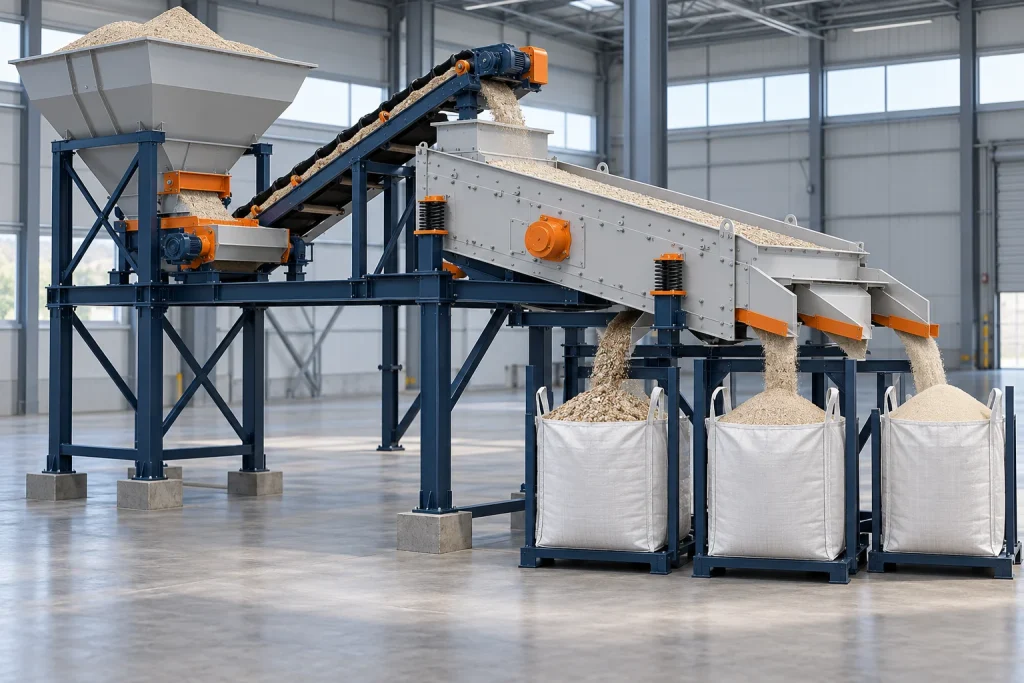
Application concept
How dry silica sand screens separate size fractions, why near-size grains are misplaced, and how mesh wear changes the cut.
Read guide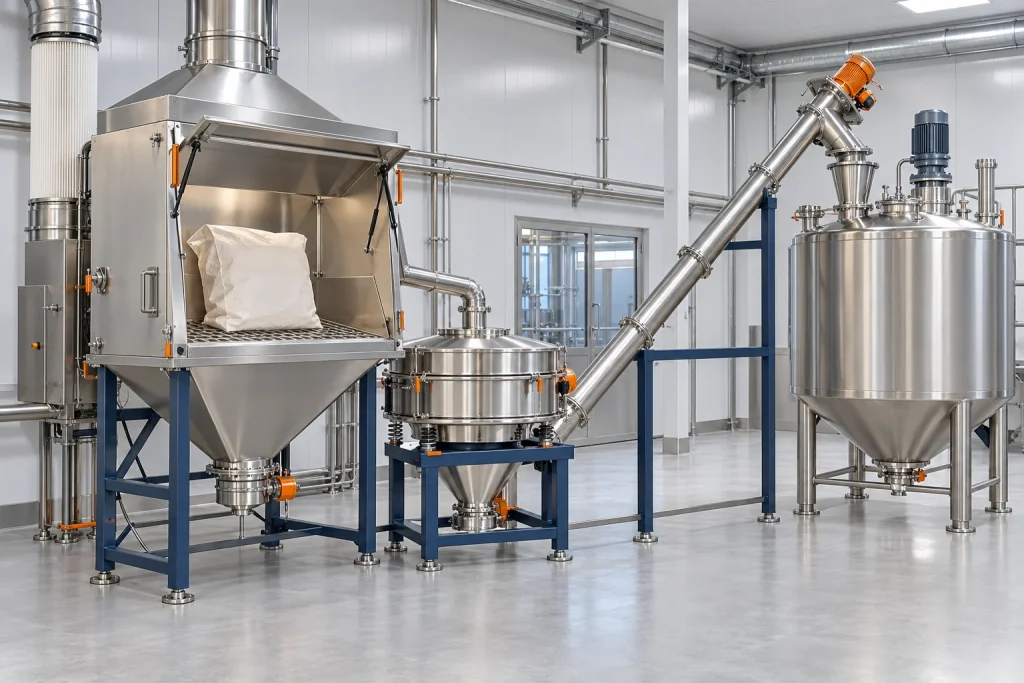
Application concept
What flour screening removes, how blocked mesh sends usable flour to rejects, and where to inspect the sieve before blending.
Read guide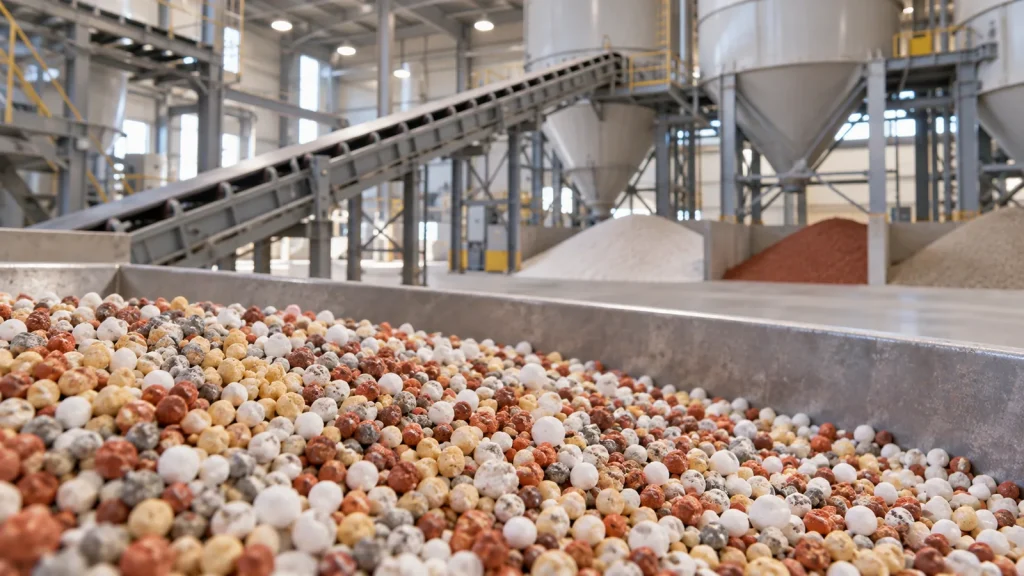
Separate fertilizer into fines, accepted granules and oversize, then identify transfer points that create new broken particles.
Read guide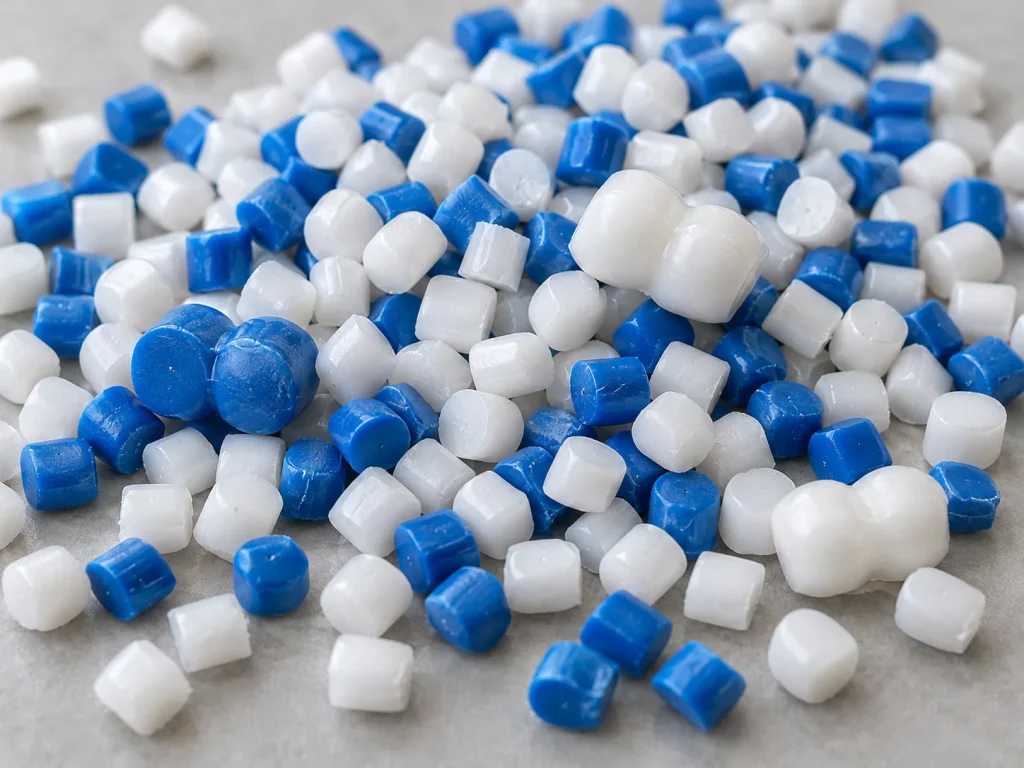
Separate fused plastic pellets and small fragments, keep useful pellets out of rejects, and limit contamination during grade changes.
Read guide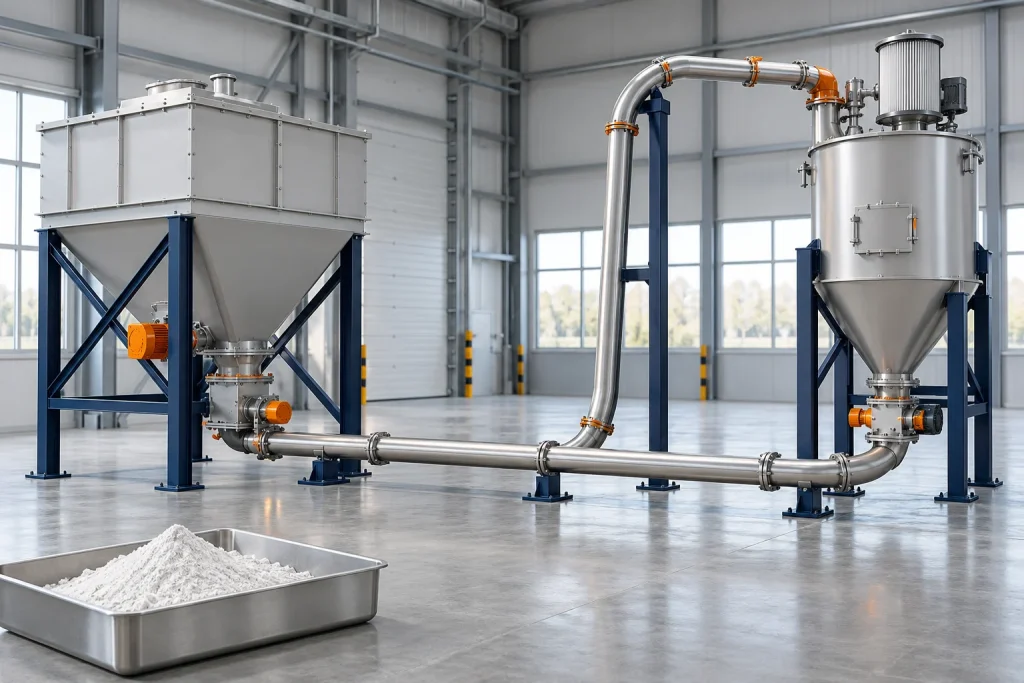
Application concept
Where dust escapes from enclosed powder conveyors, how retained powder causes carryover, and why abrasive fillers need wear inspection.
Read guide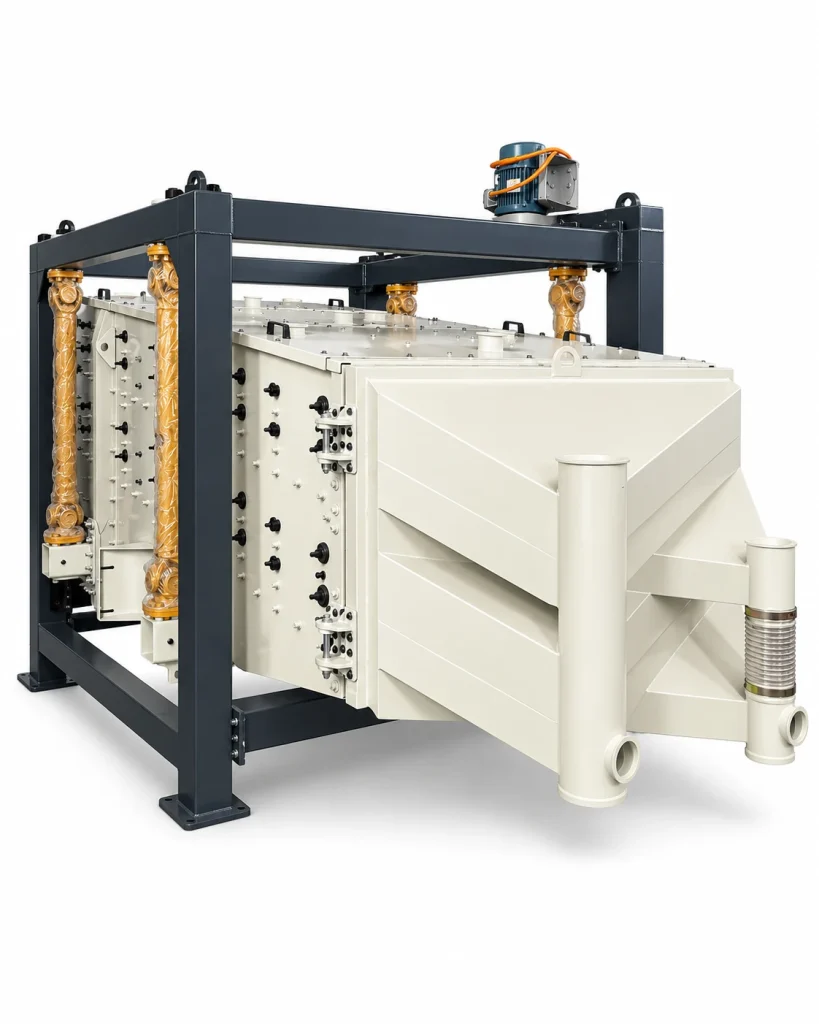
Compare screen motion, mesh openings and material properties to select equipment for the required size separation.
Read guide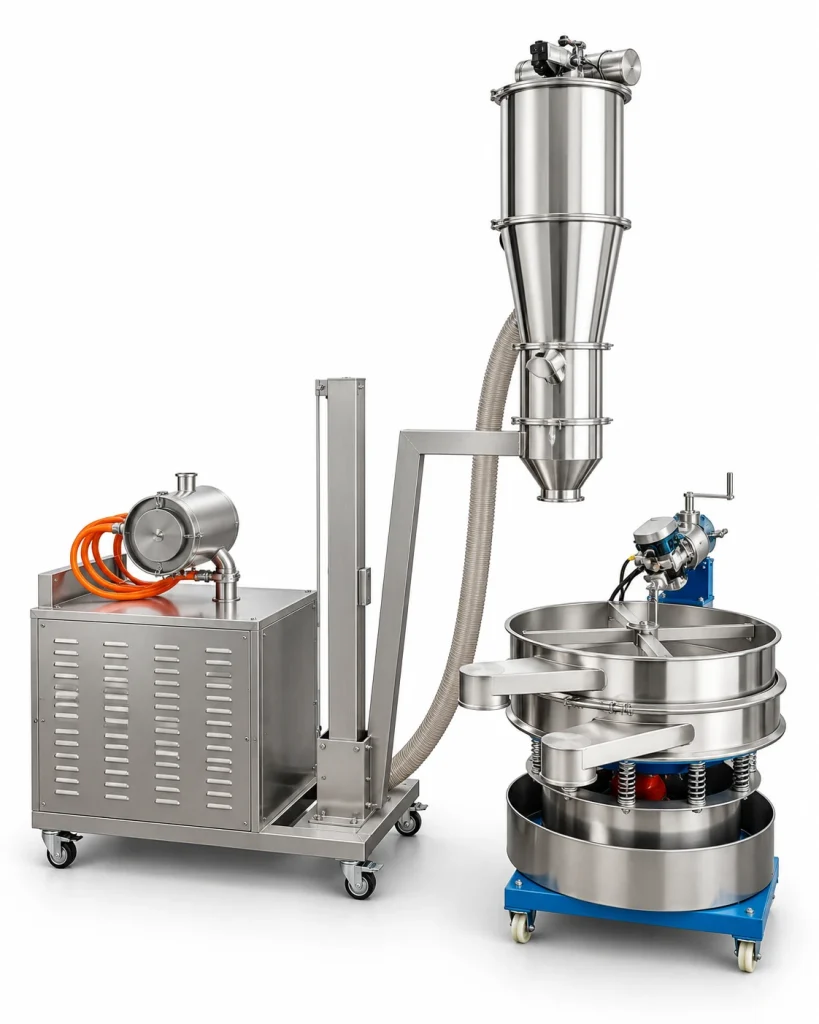
Compare rectangular and circular screening decks, feed distribution, discharge layout and screen-change access.
Read guide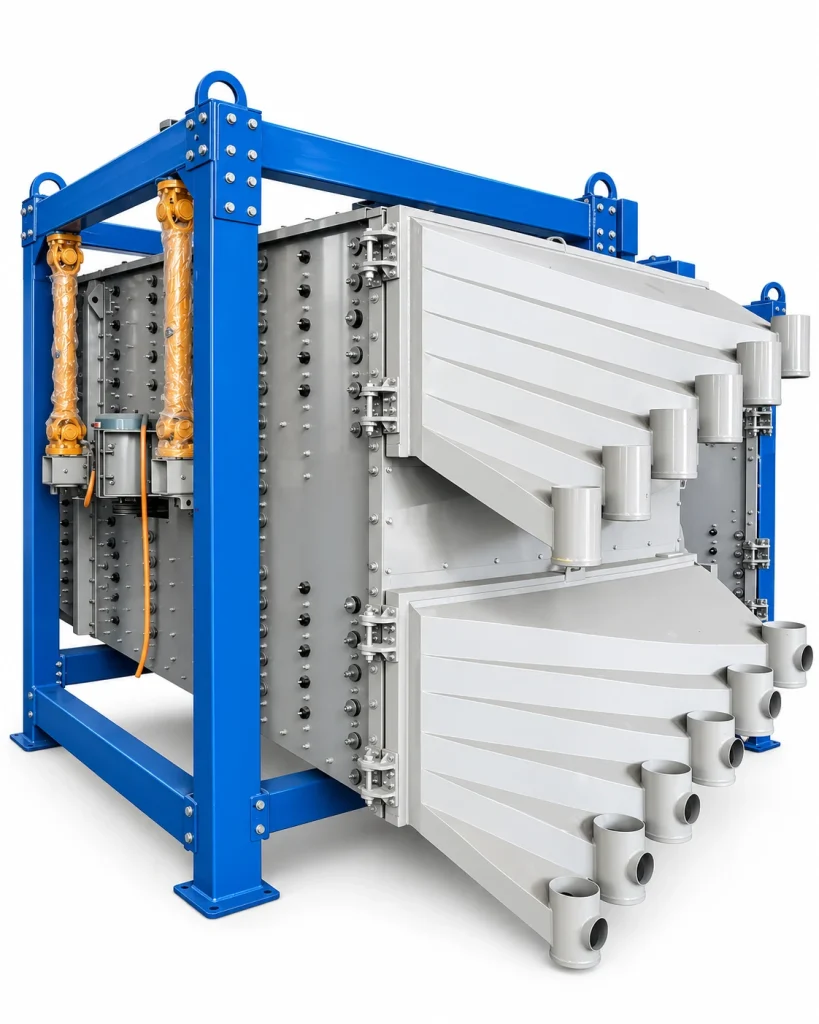
Understand feed rate, bulk density and screen loading, then check output capacity against the required particle-size separation.
Read guideStart with your material
Share your material, throughput and process requirements. We will review the details needed for equipment selection.