Application concept
Enclosed Powder Conveying for Chemical Processing
Where dust escapes from enclosed powder conveyors, how retained powder causes carryover, and why abrasive fillers need wear inspection.
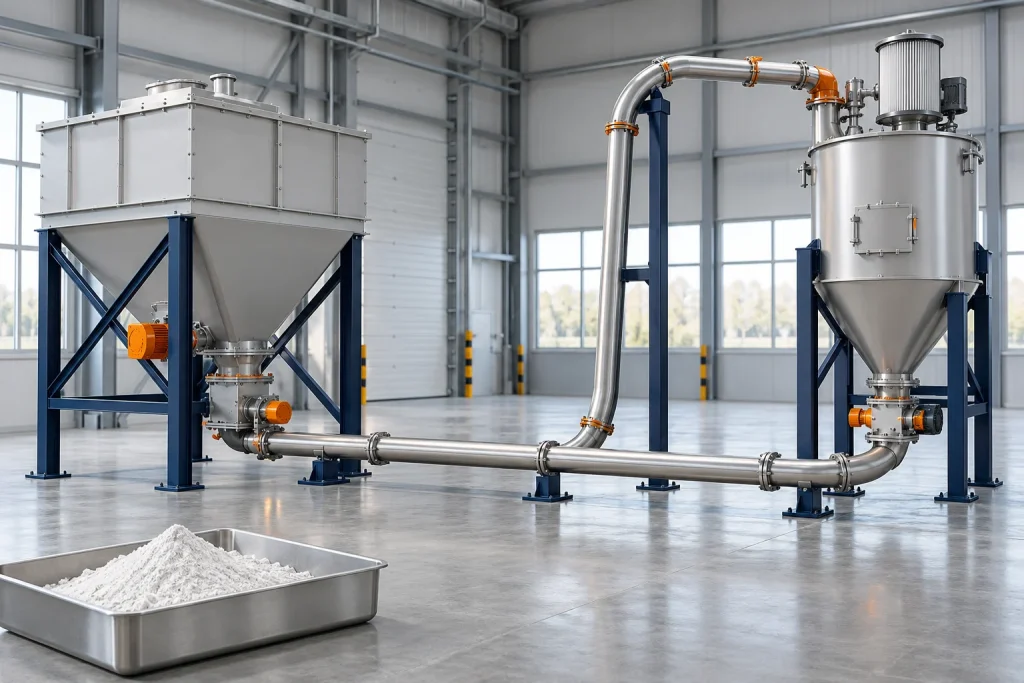
Illustrative plant profile: mineral-filler transfer to a blender
Consider a blending plant transferring dry calcium carbonate from a charging hopper to a receiving vessel. The task is to contain dust at the connections and limit retained powder between batches. This is a worked application scenario rather than a reported customer installation.
Problem at the process stage
Dust can escape where sacks are charged or where displaced air leaves the receiving vessel. Powder retained at bends and discharge pockets can enter a later batch. A closed tube body by itself does not prevent either issue.
Equipment arrangement
The charging station and receiver are connected by an enclosed conveyor selected for the powder and route. A tubular drag-chain arrangement is considered where changes in direction are needed; a screw transfer is considered for a suitable short run. The receiver needs a clear discharge and controlled displaced-air path. Contact materials and seals are checked against the actual powder and cleaning agents.
Acceptance checks
Inspect charging joints, the receiver vent and the accessible bend or outlet pockets after the agreed emptying procedure. Compare batch carryover before and after cleaning using a defined sampling method. Check wear surfaces over time; an illustrated layout is not a guarantee of zero residue, chemical compatibility or explosion protection.
The open connections matter as much as the closed tube
An enclosed conveyor contains powder along its body, but its inlet and discharge remain connected to other equipment. Dust often escapes at a bag emptying point, hopper joint, flexible connector or receiving vessel. Air displaced during filling needs a controlled path. A sealed tube alone does not stop dust from an open charging station.
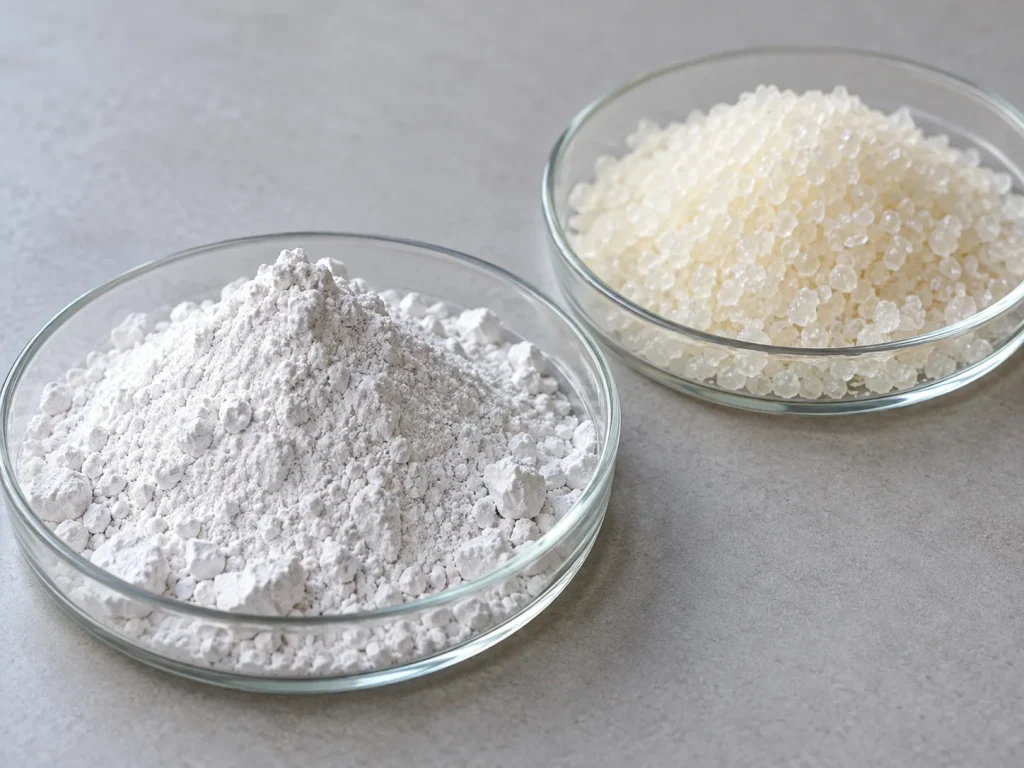
Calcium carbonate, resin powder and powdered salts
Calcium carbonate is a mineral filler that can abrade conveying surfaces. Fine resin powders may coat the walls or form cohesive deposits. Moisture-sensitive powdered salts can cake at joints and discharge points. Those differences affect wear, cleanout and how steadily powder reaches the next machine. They are not solved by choosing a closed conveyor body alone.
| Material / observation | Separation / cause | Equipment / action |
|---|---|---|
| Dust at charging | Open hopper or leaking connection | Control the inlet and extraction interface |
| Powder retained at bends | Deposits or incomplete cleanout | Inspect accessible bends and outlets |
| Coarse contamination | Agglomerates or worn parts | Screen where required and inspect wear surfaces |
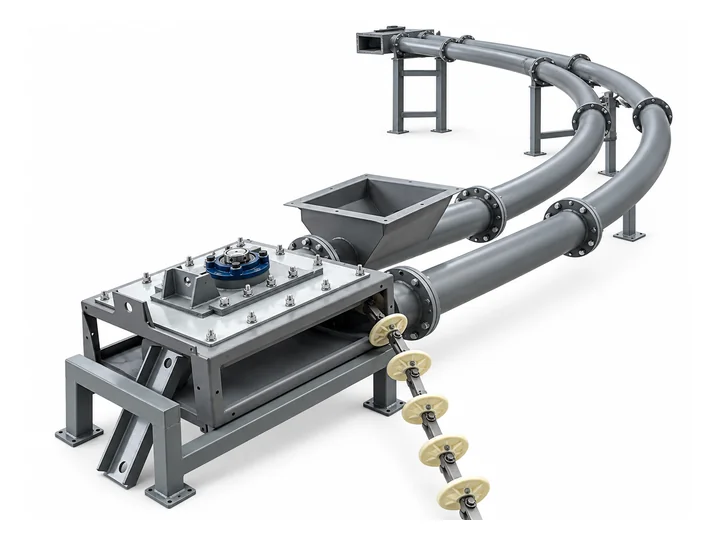
Screw transfer and pipe chain transfer
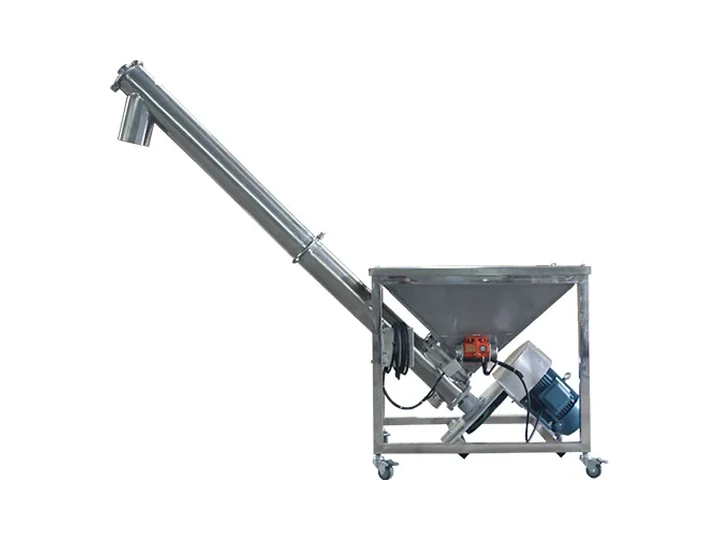
A screw conveyor moves compatible powder over a short route and can feed a downstream machine when designed for that duty. A pipe chain conveyor moves suitable powders through a tube circuit that can include bends. At the receiving vessel, an obstructed outlet backs material up into the conveying route. Keep the discharge clear and avoid running against a full destination. Abrasive material requires inspection of the casing, moving contact surfaces and seals.
Carryover, dust leakage and upstream screening
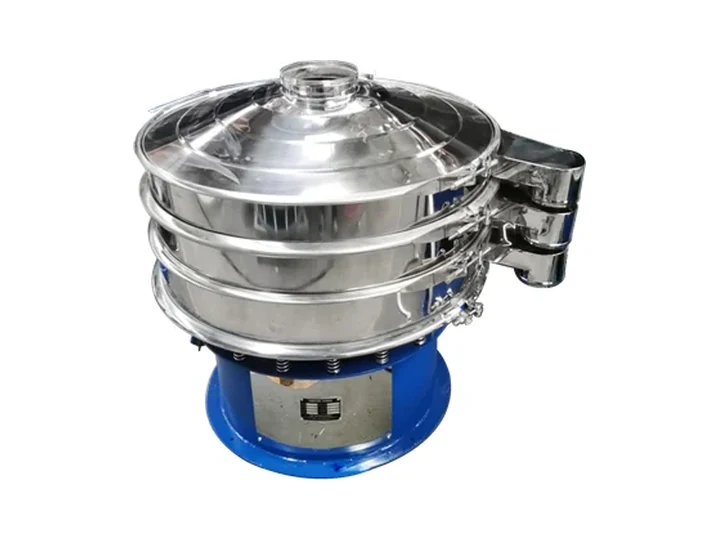
Powder remaining in a bend or discharge pocket can mix into a later grade. Cleanout access is therefore needed where buildup occurs. Inspect seals and connectors when dust appears outside the system; do not simply increase extraction until usable powder is drawn away. A screen upstream can remove oversized lumps where the process needs that separation, but it cannot change chemical purity or make incompatible materials safe to combine. Combustible powders require the site-specific dust protection measures for the complete process.
Related equipment
Pipe Chain Conveyor
Transfer chemical powders, food ingredients and plastic granules through an enclosed pipe chain conveyor linking storage, mixing and packing.
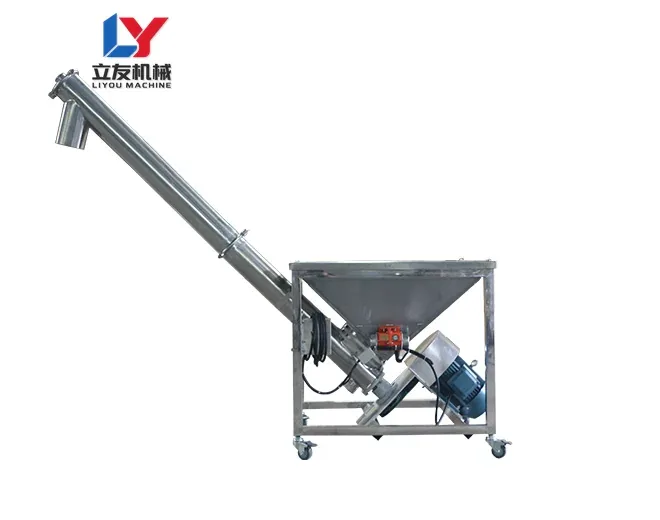
Explore equipmentScrew Conveyor
Transfer dry powders and granules between hoppers, mixers and packing equipment with a screw conveyor sized for the feed and incline.
Explore equipment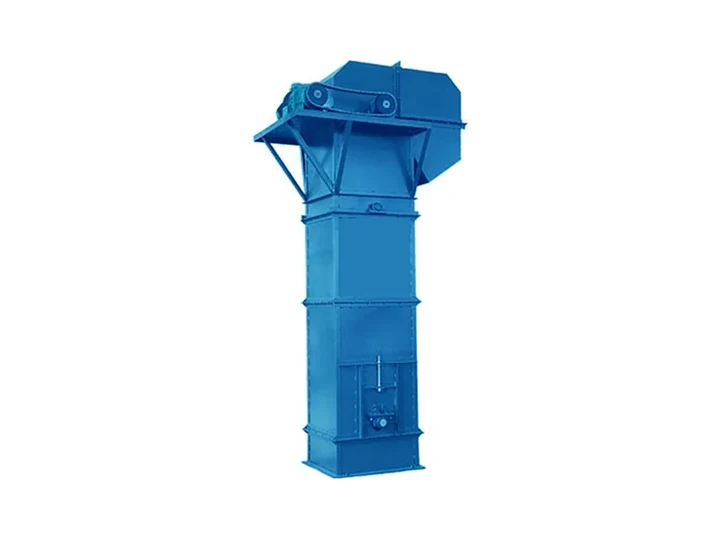
Bucket Elevator
Lift grain, sand and other bulk solids from a lower inlet to an elevated storage or processing point with a bucket elevator.
Explore equipmentRelated solutions
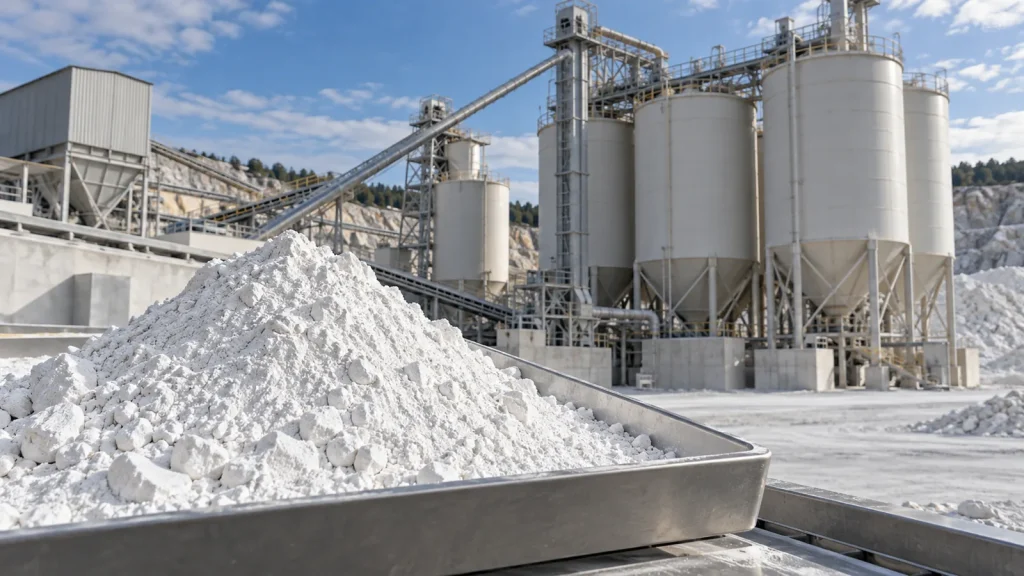
Chemical Processing
Screen calcium carbonate, resin and pigment powders; control agglomerates, mesh blinding and dust at enclosed transfer points.
View solutionTechnical resources
How to Choose a Conveyor for Powder
Powder conveying selection depends on more than distance.
Read guideTubular Chain Conveyor vs Screw Conveyor
A tubular chain conveyor uses discs carried by a chain.
Read guideUseful answers
Frequently asked questions
Does an enclosed conveyor mean there is no dust leakage?
No. Charging points, seals, connectors and discharge interfaces also need containment and suitable pressure control.