Technical resource
How to Choose a Conveyor for Powder
Powder conveying selection depends on more than distance.
Start with powder behavior
Powder conveying selection depends on more than distance. Identify density, moisture, cohesion, particle fragility, temperature and any dust hazard. Define pickup and discharge conditions and the cleaning required between ingredients.
Compare different mechanisms
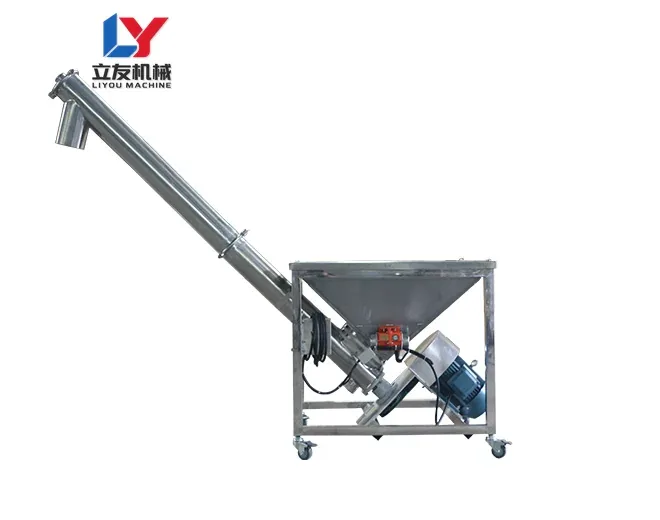
A screw mechanically moves powder over a defined route but may introduce wear or product damage. A pipe chain circuit offers enclosed routing with discs and needs a chain, bend and cleanout assessment. A vacuum conveyor uses air transport and a receiver cycle; filter behavior and particle damage need trials. A tube vibratory conveyor moves its housing and is a different mechanism from either a chain or a screw.
Evaluate the full system
Draw the route and every interface. Ask for a measured trial that includes feed stability, useful receiver output, product condition and retained material. Distinguish mass from volume rates and include the assumptions used for density. Compare cleaning and service access alongside throughput, and identify which feeder, receiver and controls are included.
Equipment for this decision
Related equipment
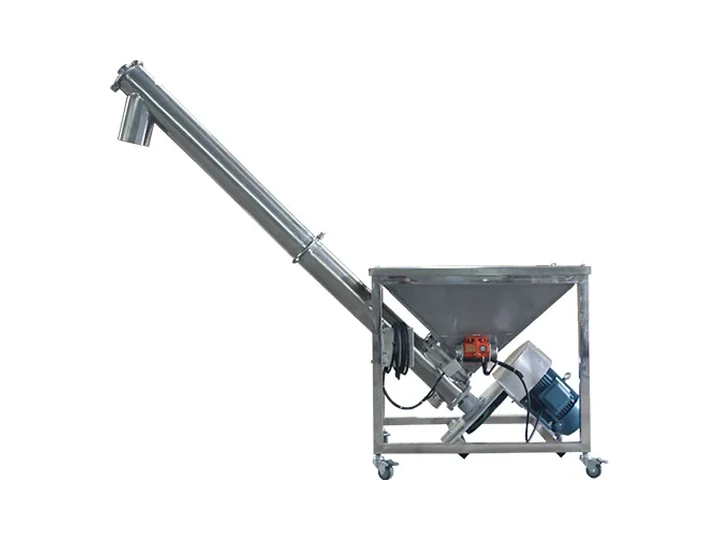
Screw Conveyor
Transfer dry powders and granules between hoppers, mixers and packing equipment with a screw conveyor sized for the feed and incline.
Explore equipment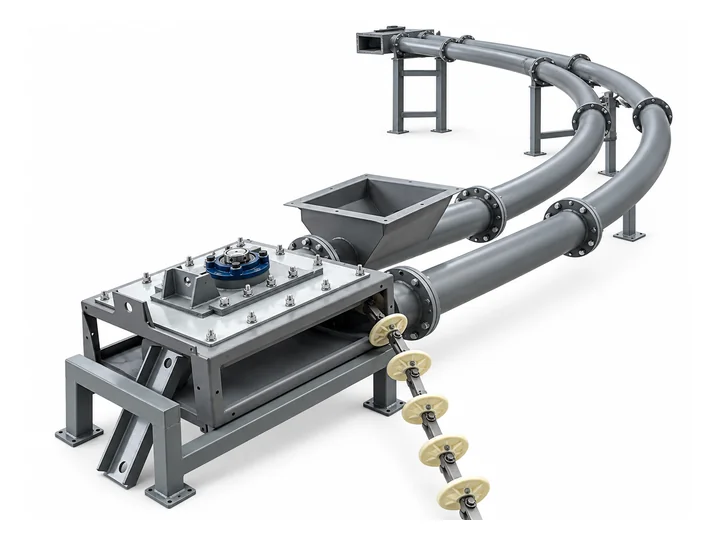
Pipe Chain Conveyor
Transfer chemical powders, food ingredients and plastic granules through an enclosed pipe chain conveyor linking storage, mixing and packing.
Explore equipment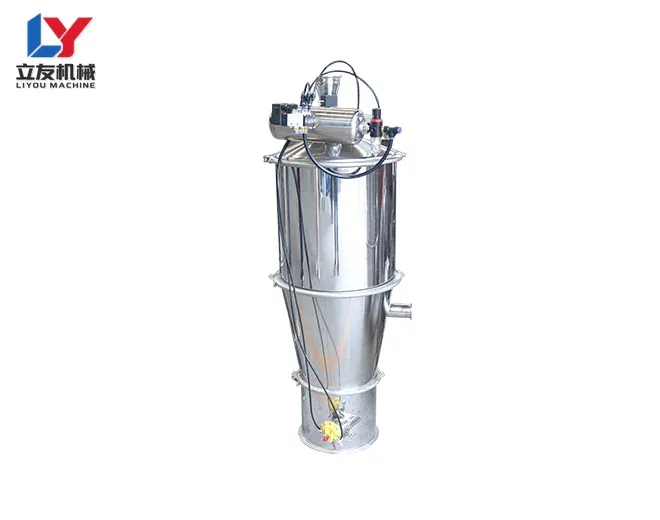
Vacuum Conveyor
Transfer powders from a pickup point to an elevated receiver with a vacuum conveyor for mixer charging and packaging feed.
Explore equipment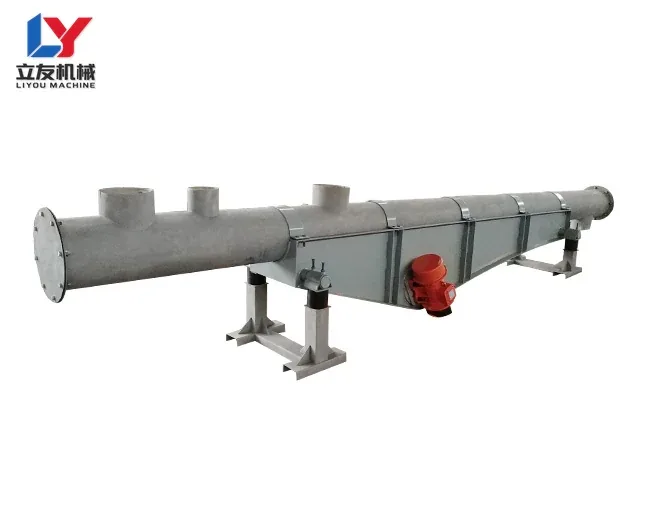
Tubular Vibratory Conveyor
Transfer bulk solids along an enclosed vibrating tube with a tubular vibratory conveyor between fixed process machines.
Explore equipment