Cement
- Material form
- Dry mineral powder
- Typical application
- Transfer powder from storage to process equipment
- Handling considerations
- Abrasion, sealing and dust extraction
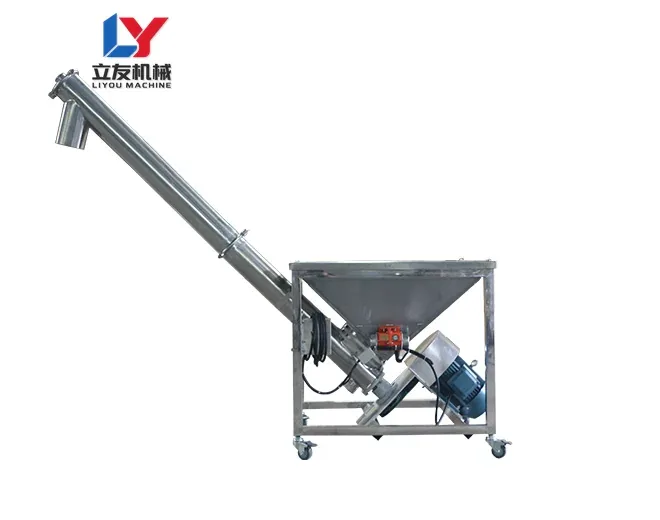
Conveying Equipment
Transfer dry powders and granules between hoppers, mixers and packing equipment with a screw conveyor sized for the feed and incline.
An enclosed screw transfers the material directly from the receiving point to the next hopper.
The rotating flight moves material along a defined trough or tube without an open belt carrying surface.
Convey cement, lime or mineral filler into a receiving hopper or mixer. Abrasive powders affect flight and trough wear.
Move flour, starch or salt between process vessels with compatible contact surfaces. A normal conveyor is not automatically a precision feeder; a flood-loaded inlet requires feeder-specific design.
The rotating flight pushes material along the housing. Bearings support the shaft, and seals separate the material from the drive where required. At the inlet, material loading determines whether the unit is conveying a regulated stream or extracting from a filled hopper.
Suitable Materials for Conveying
Cement
Flour
Fertilizer granules
Technical Specifications
Model Screw diameter (mm) Pitch (mm) 100 100 100 160 160 160 200 200 200 250 250 250 315 315 315 400 400 355
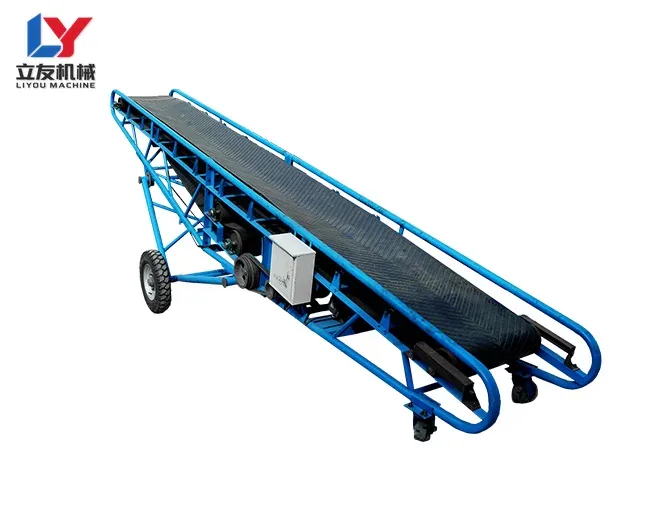
Move sand, aggregate, grain and other bulk solids between loading, processing and storage points with a belt conveyor.
Explore equipment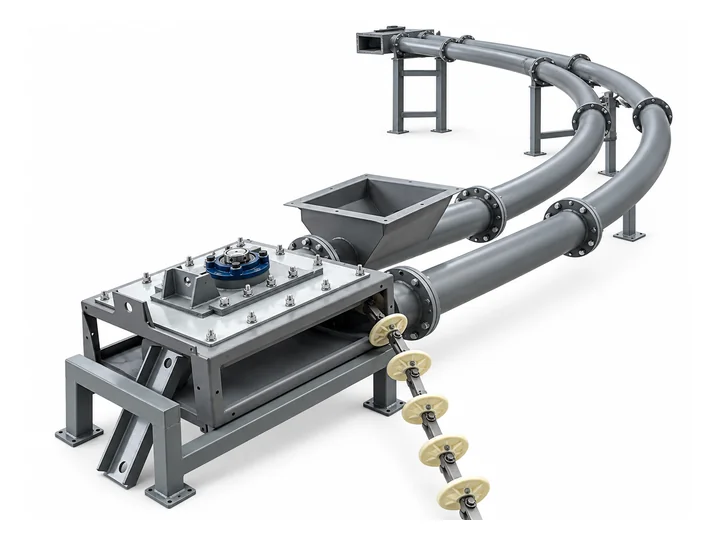
Transfer chemical powders, food ingredients and plastic granules through an enclosed pipe chain conveyor linking storage, mixing and packing.
Explore equipment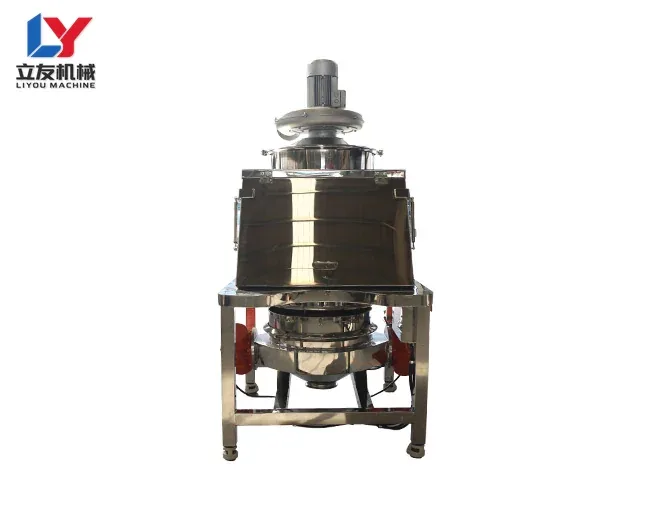
Empty powder bags into a contained receiving hopper with a dust free feeding station and the appropriate dust extraction connection.
Explore equipment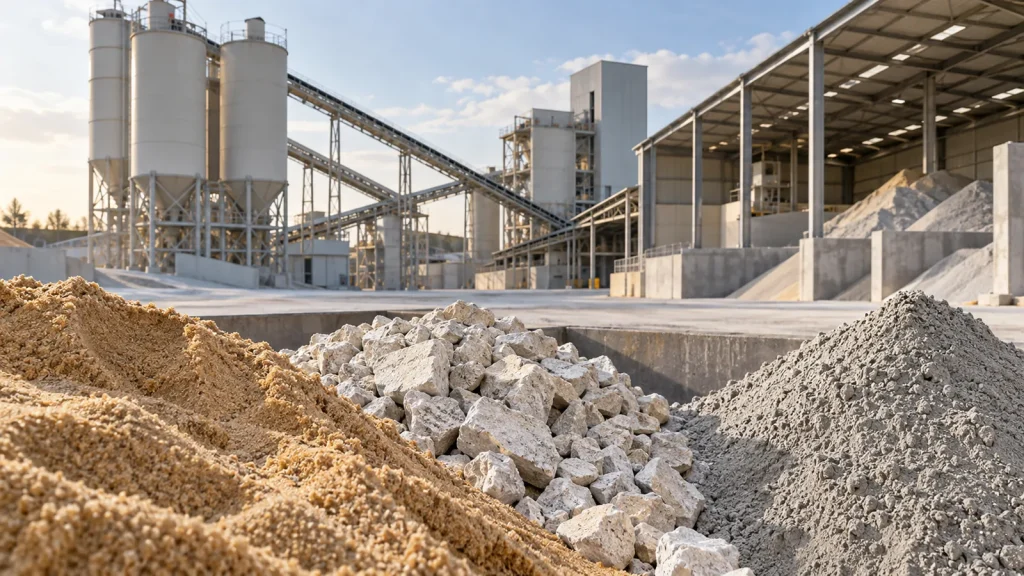
Grade sand and limestone, remove coarse particles from mineral powders, and move dry mortar ingredients without mixing separated fractions.
View solution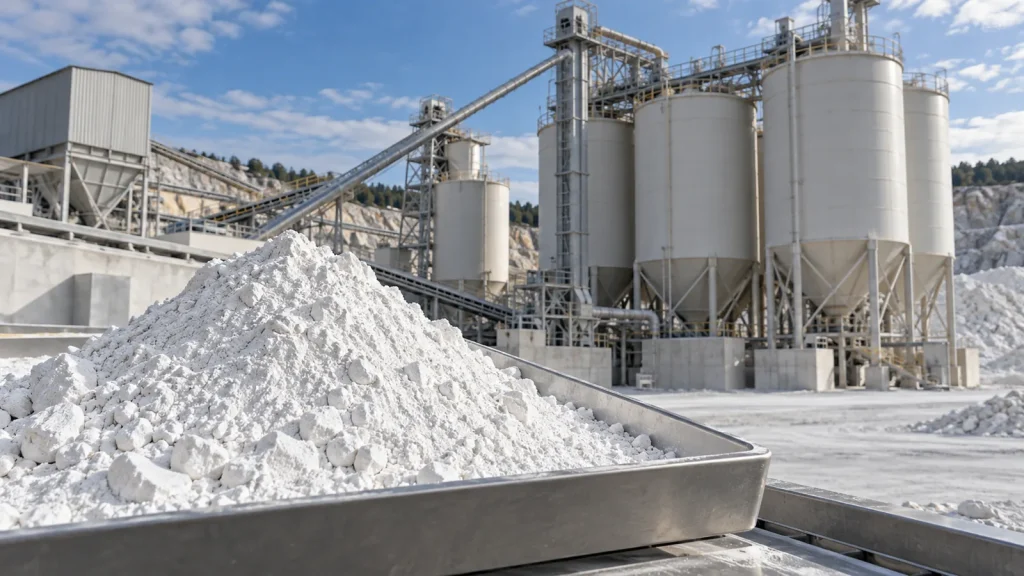
Screen calcium carbonate, resin and pigment powders; control agglomerates, mesh blinding and dust at enclosed transfer points.
View solution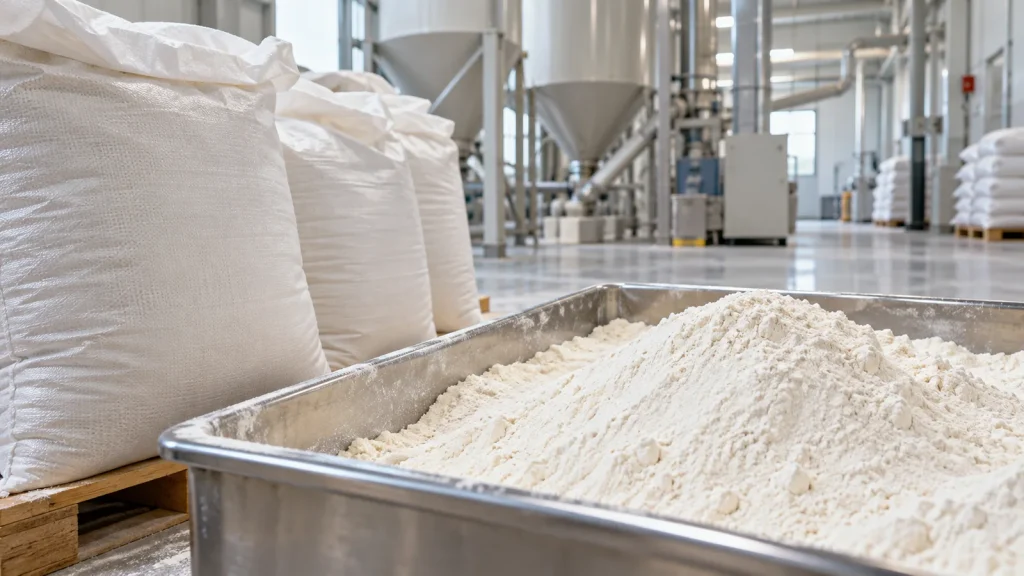
Remove oversize from flour and starch, grade sugar and salt, and transfer dry ingredients between sieving, blending and packing.
View solution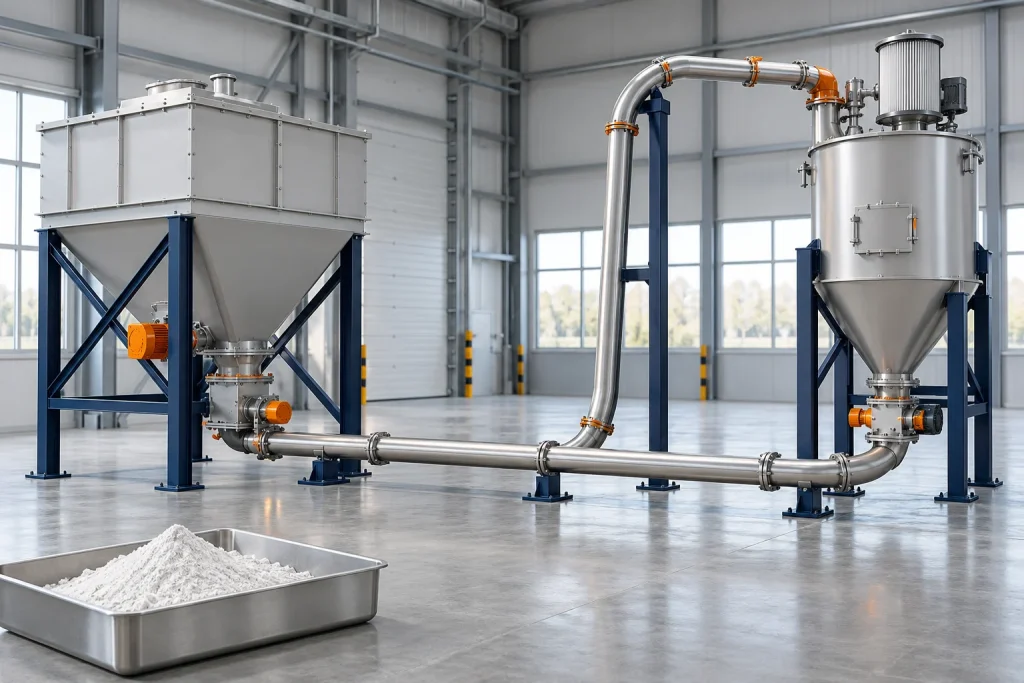
Application concept
Where dust escapes from enclosed powder conveyors, how retained powder causes carryover, and why abrasive fillers need wear inspection.
Read guide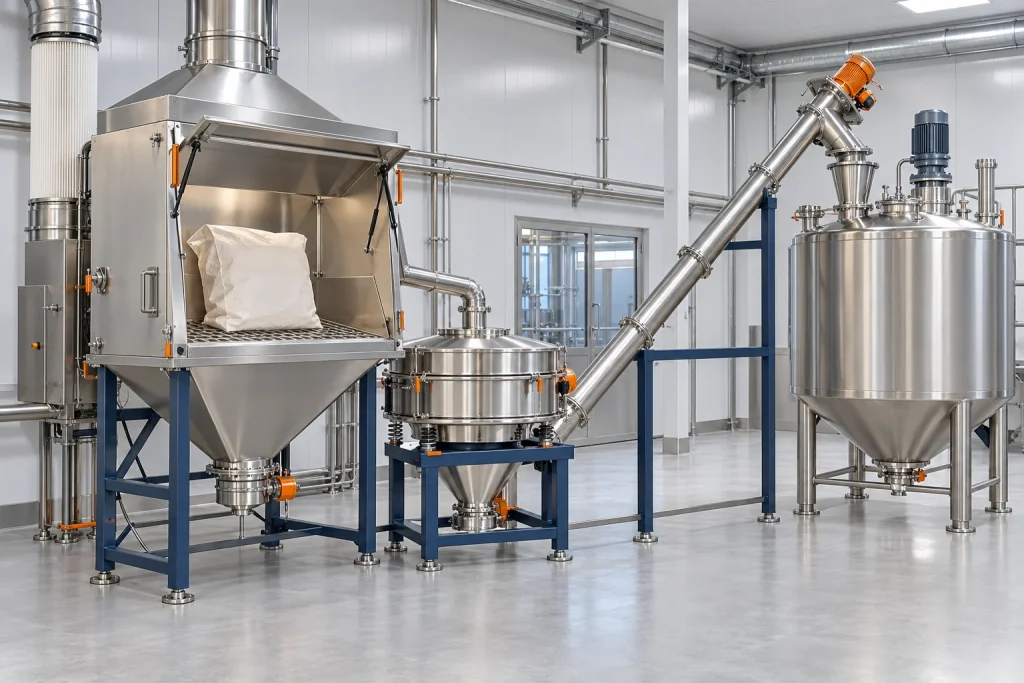
Application concept
What flour screening removes, how blocked mesh sends usable flour to rejects, and where to inspect the sieve before blending.
Read guidePowder conveying selection depends on more than distance.
Read guideA tubular chain conveyor uses discs carried by a chain.
Read guideUseful answers
It may be engineered for both, but flooded inlet extraction requires a feeder calculation rather than a standard conveying assumption.
Not necessarily. Inlet bridging, loading, pitch and material friction can remain the limiting factors.
Start with your material
Share your material, throughput and process requirements. We will review the details needed for equipment selection.