Sand and gravel
- Material form
- Loose mineral particles
- Typical application
- Transfer bulk feed between handling stages
- Handling considerations
- Abrasion, belt loading and transfer impact
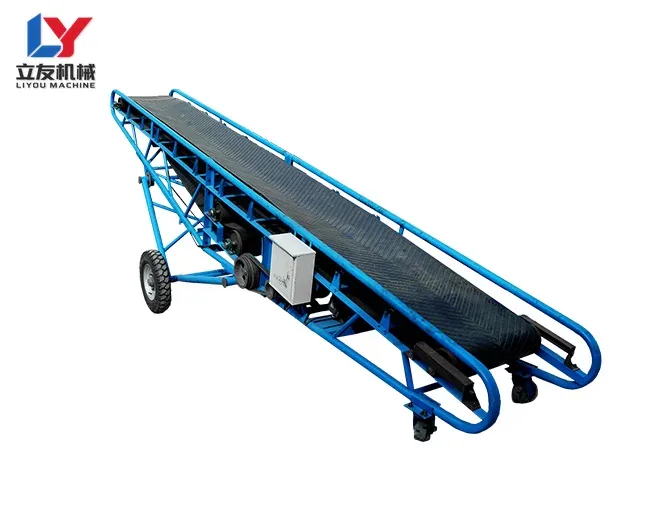
Conveying Equipment
Move sand, aggregate, grain and other bulk solids between loading, processing and storage points with a belt conveyor.
Compare Conveying Equipment ↗A continuous carrying surface connects fixed process points and reduces separate handling steps along that route.
A correctly arranged loading chute, belt support and skirts keep the incoming stream on the carrying surface.
Carry screened sand or crushed stone from a screen outlet to a stockpile, transfer conveyor or storage bin.
Move wheat, maize or similar grains from intake toward storage or cleaning. Open belts are not sealed powder circuits; fine dust needs appropriate containment at transfers.
A drive pulley moves the belt while the carrying structure supports the load. Idlers, a return path and a take-up arrangement maintain alignment and tension. Bulk transfer chutes should load the belt in a controlled direction and avoid concentrating impact on an unsupported section.
Suitable Materials for Conveying
Sand and gravel
Grain
Fertilizer granules
Technical Specifications
Parameter Specification Catalogue corrugated-belt widths 300 / 400 / 500 / 650 / 800 mm Configurations Flat, inclined, horizontal, curved or corrugated-sidewall Belt options Steel-cord rubber, PVC or PU, subject to duty requirements
Isolate the conveyor before inspecting belt cleaners, pulleys or take-up components.
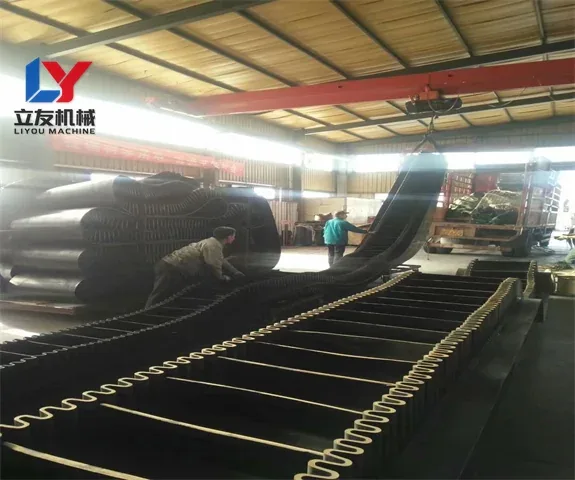
Replace a worn carrying surface with rubber conveyor belting matched to the conveyor, bulk material and operating conditions.
Explore equipment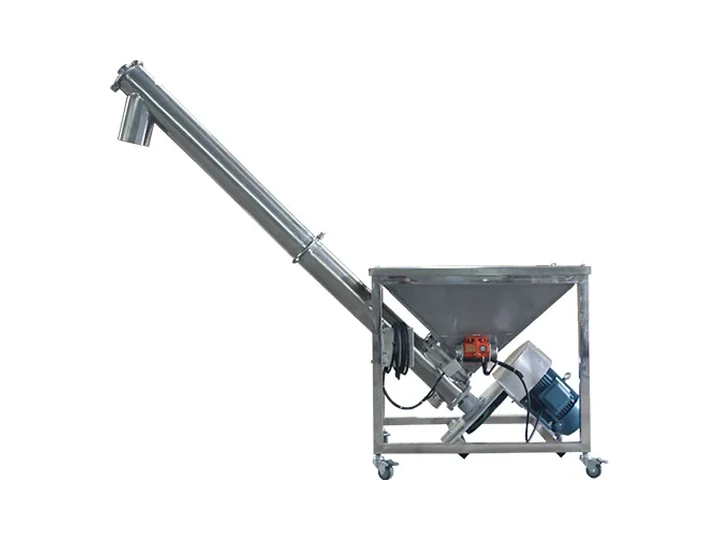
Transfer dry powders and granules between hoppers, mixers and packing equipment with a screw conveyor sized for the feed and incline.
Explore equipment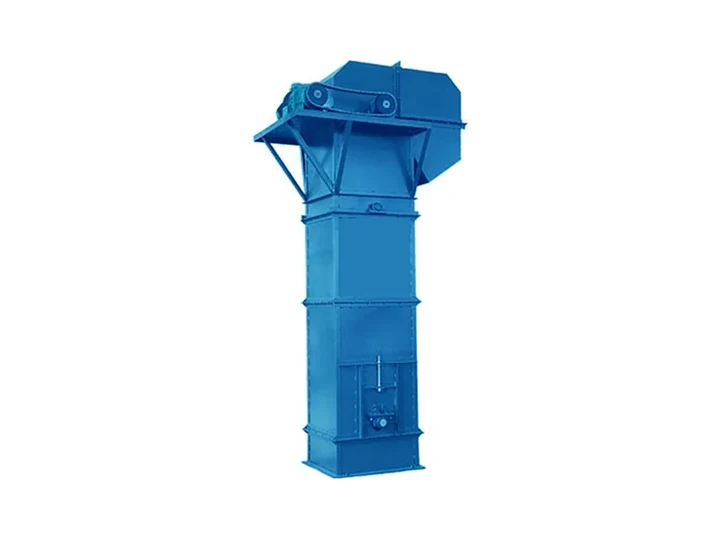
Lift grain, sand and other bulk solids from a lower inlet to an elevated storage or processing point with a bucket elevator.
Explore equipment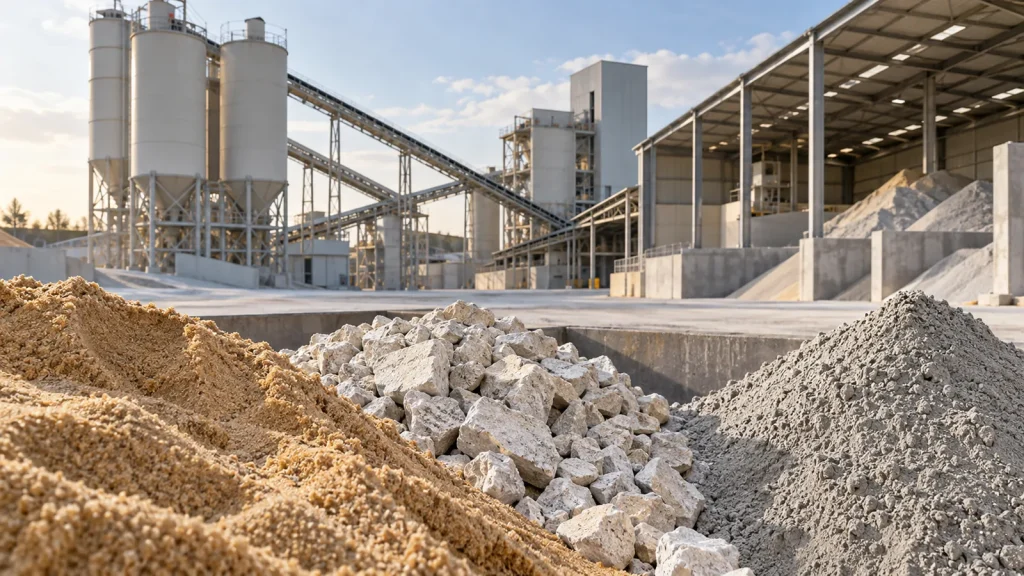
Grade sand and limestone, remove coarse particles from mineral powders, and move dry mortar ingredients without mixing separated fractions.
View solution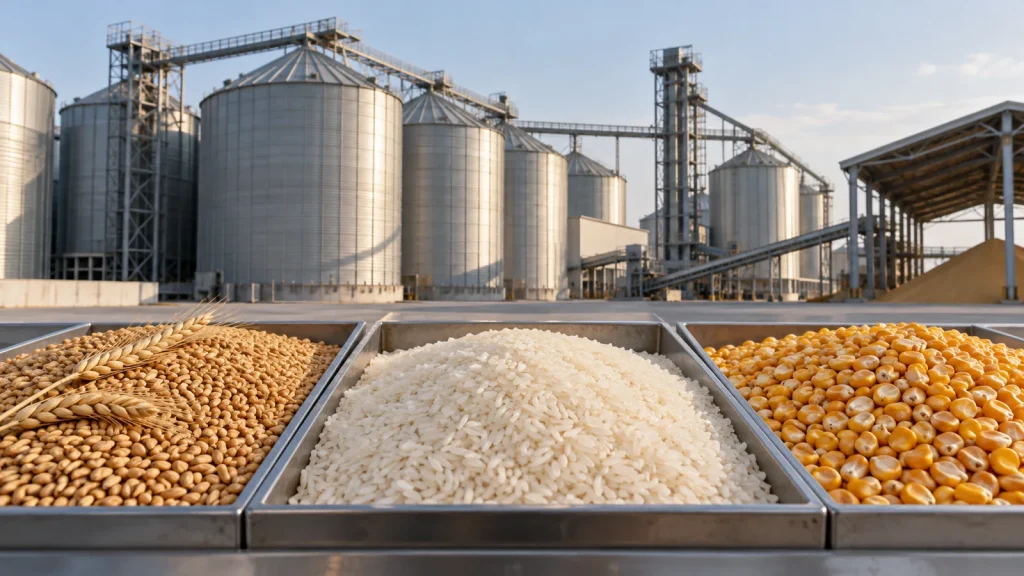
Remove oversized debris and undersize from wheat, corn and rice, then convey the cleaned grain with attention to breakage and carryover.
View solution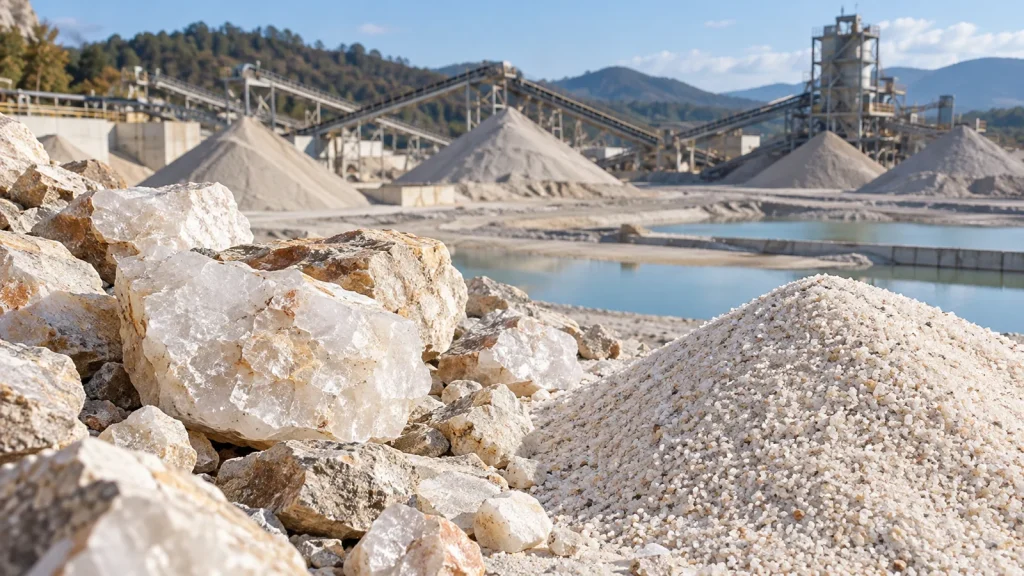
Classify dry silica sand, quartz and mineral granules into size fractions while controlling uneven feed, blocked mesh and wear.
View solution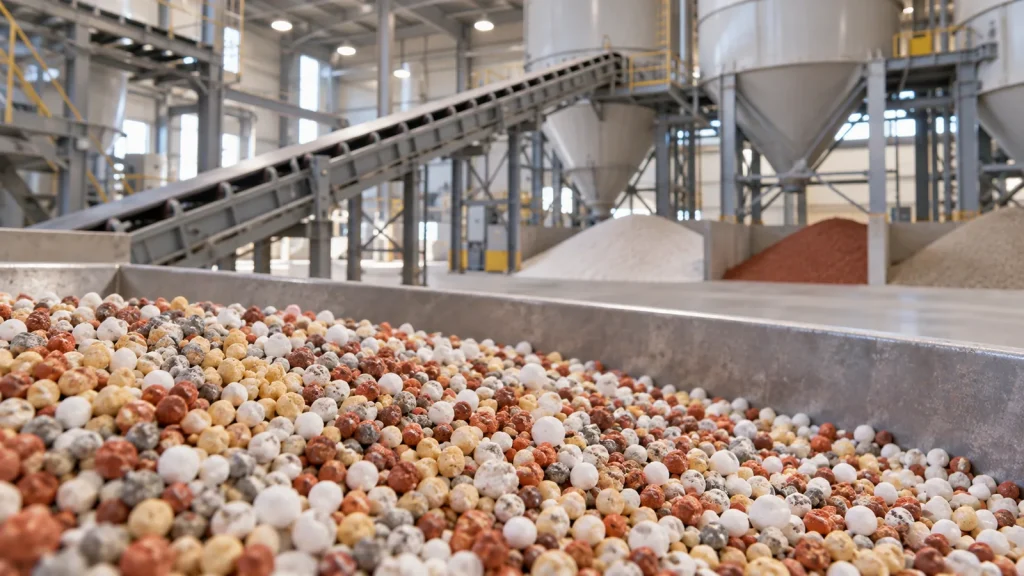
Separate fertilizer granules from fines and oversize, keep recycle streams distinct, and reduce breakage during conveying.
View solutionSeparate fertilizer into fines, accepted granules and oversize, then identify transfer points that create new broken particles.
Read guide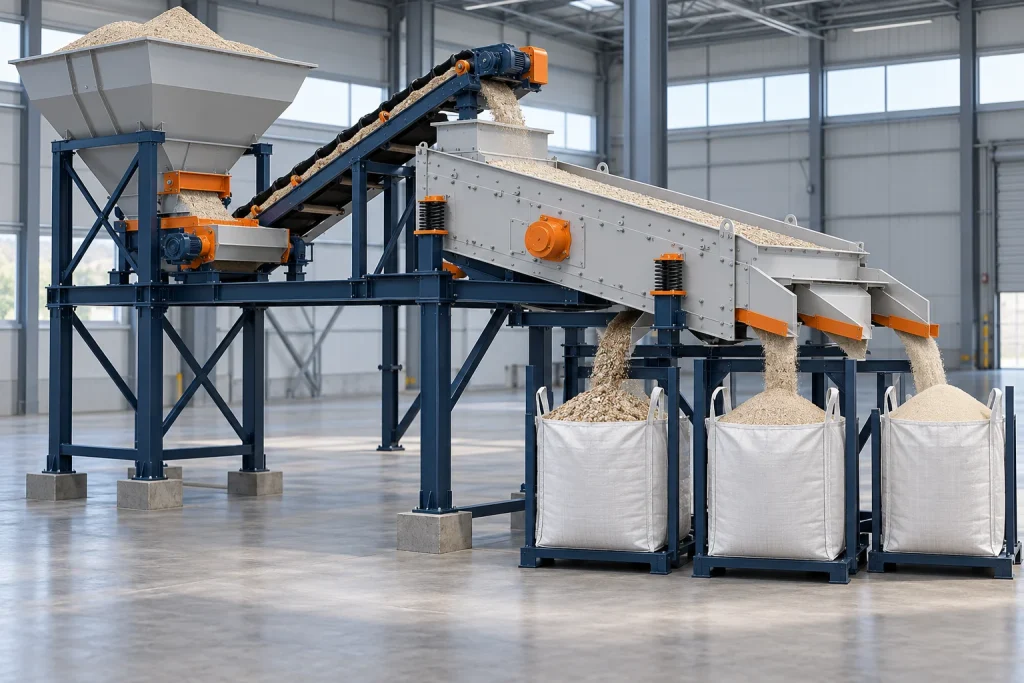
Application concept
How dry silica sand screens separate size fractions, why near-size grains are misplaced, and how mesh wear changes the cut.
Read guideA moving drive with an underperforming belt can indicate slip at the drive pulley, but poor throughput may also result from overloading, a blocked discharge or material rollback.
Read guideUseful answers
Material that remains on the carrying surface after discharge travels onto the return run. Cleaner contact, sticky feed and belt condition affect the residue.
Start with your material
Share your material, throughput and process requirements. We will review the details needed for equipment selection.