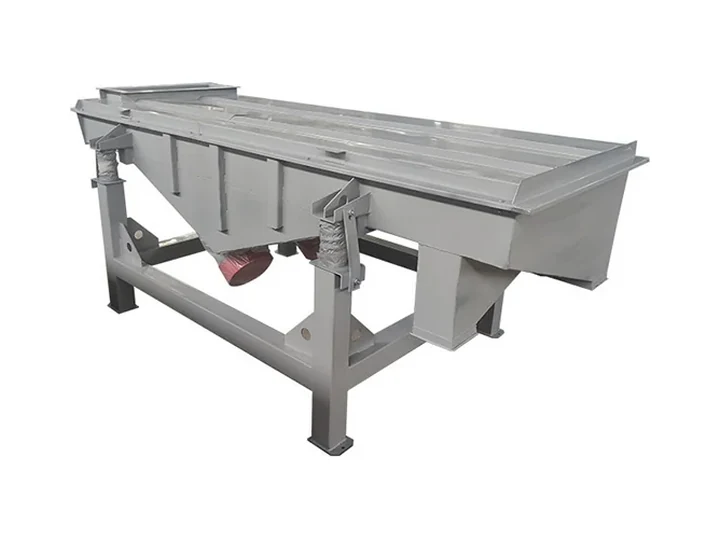
Linear Vibrating Screen
Grade sand, fertilizer granules and plastic pellets with a linear vibrating screen that separates fines, saleable fractions and oversize.
Explore equipmentIndustry solution
Remove oversized debris and undersize from wheat, corn and rice, then convey the cleaned grain with attention to breakage and carryover.
Discuss your application ↗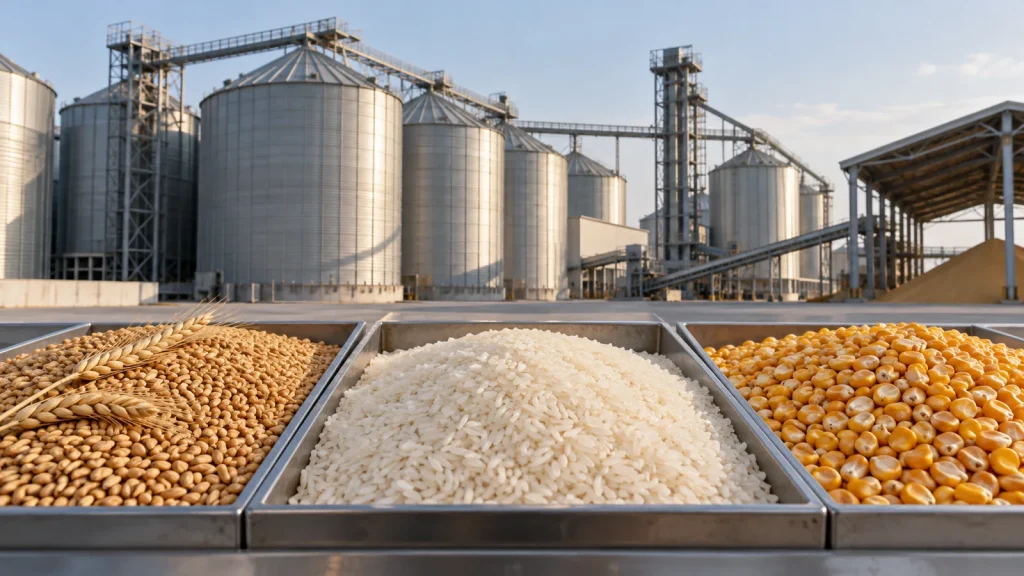
Wheat and corn contain a mixture of sound kernels, broken grain and debris. An upper screening cut removes material larger than the wanted kernels; a lower cut removes smaller fragments and fines. The accepted grain leaves between these two cuts. Apertures for wheat are not interchangeable with apertures for corn or rice. Size screening cannot reliably remove stones or foreign seeds that match the dimensions of sound grain.
A grain sample with many broken pieces needs a different separation from a sample dominated by coarse stalk fragments. Husk and light debris can travel over a screen differently from dense kernels. Moist grain may form deposits and flow unevenly out of the hopper. For rice and seeds, the condition after conveying matters as well as the initial size grade: rough transfer can create new broken material after the screen.
| Material / observation | Separation / cause | Equipment / action |
|---|---|---|
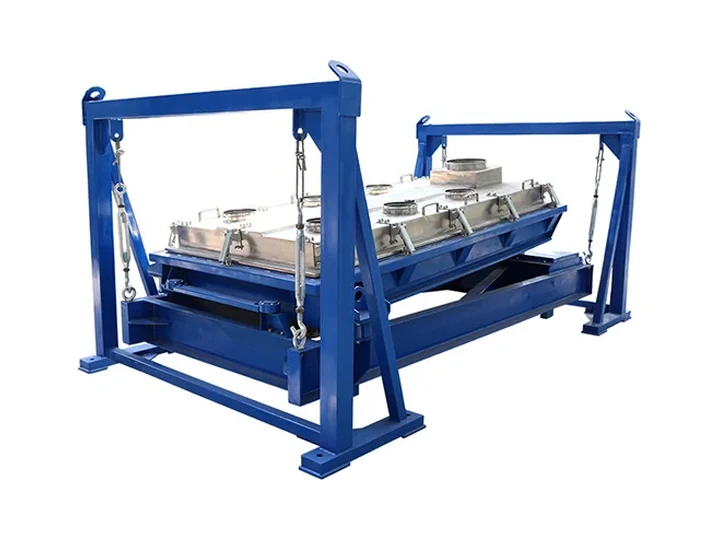
| Wheat | Remove oversized debris and small broken particles. | Multi-deck linear or gyratory screen |
| Corn | Separate coarse debris and undersized fragments. | Grading screen with grain-specific apertures |
| Rice | Grade size fractions while limiting additional breakage. | Gentle screening and suitable conveying |
| Seeds | Separate size grades; avoid mixing varieties during changeover. | Multi-outlet grading screen |

Sound kernels in the reject stream point to an aperture or feed-distribution problem, but a blocked deck can produce the same symptom. Inspect a representative reject sample, then check mesh openings and inlet distribution. Do not assume that all material in the coarse outlet is waste. Empty the reject chute regularly; a backed-up chute can push rejected material back into the accepted stream.
Linear and gyratory screens remove size-separated fractions. Aspiration is a different operation: an air stream separates light material according to its aerodynamic behaviour. Magnets target ferrous particles, while destoning equipment separates suitable density differences. These stages address different contaminants and should not be described as functions of a vibrating screen. For grain grading, separate outlets collect each useful size band.
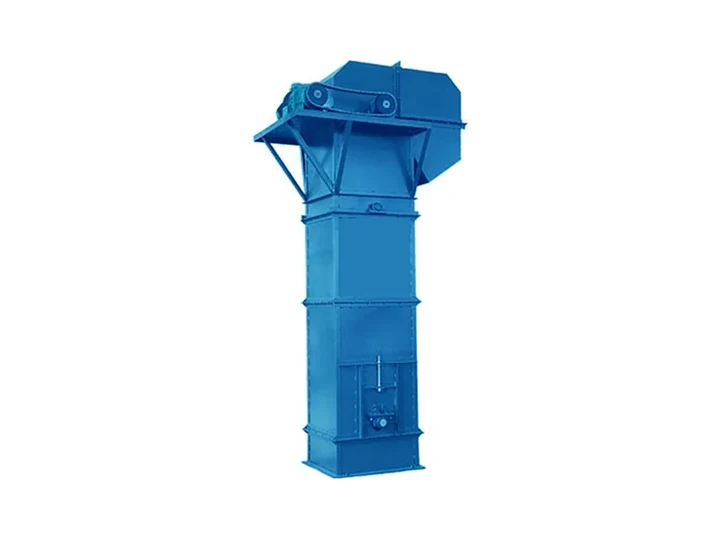
Bucket elevators lift grain between handling levels. At their discharge, speed, bucket release and chute geometry affect whether kernels arrive gently or strike the casing. Screw conveyors can move compatible grain over short routes but may damage fragile kernels if the arrangement traps or crushes material. Grain retained in boot sections and conveyor outlets causes variety carryover. Clean those pockets during changeovers. Grain dust needs site dust control and housekeeping at receiving, screening and transfer points.
Grade sand, fertilizer granules and plastic pellets with a linear vibrating screen that separates fines, saleable fractions and oversize.
Explore equipment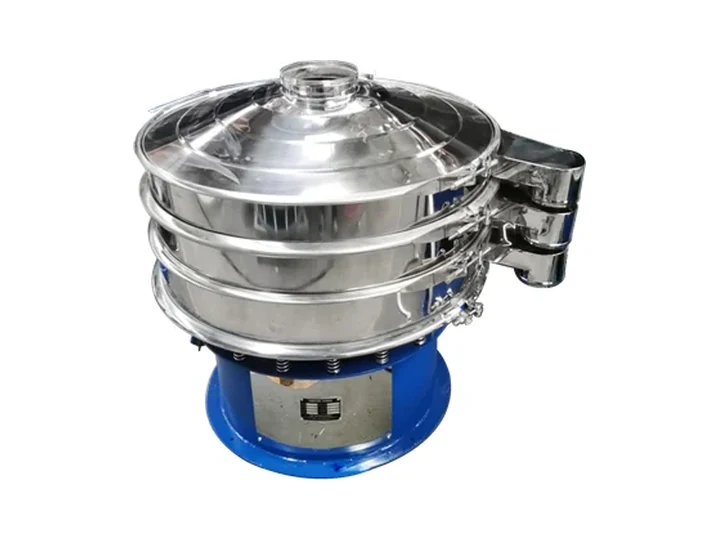
Remove lumps and grade powders with a rotary vibrating screen for flour, starch, mineral fillers and chemical ingredients.
Explore equipment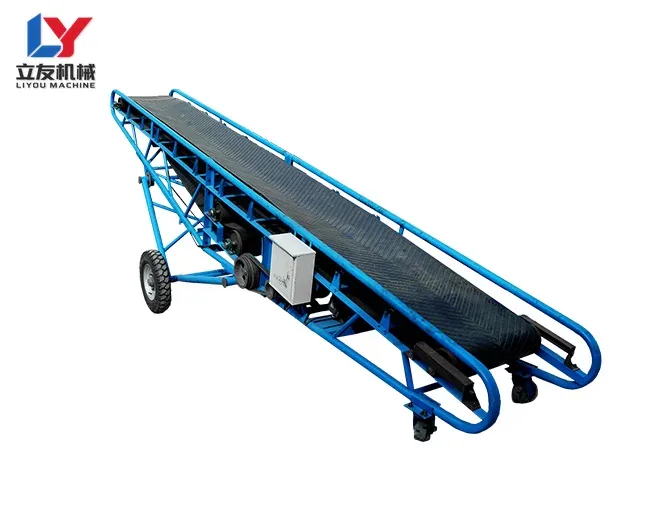
Move sand, aggregate, grain and other bulk solids between loading, processing and storage points with a belt conveyor.
Explore equipmentLift grain, sand and other bulk solids from a lower inlet to an elevated storage or processing point with a bucket elevator.
Explore equipment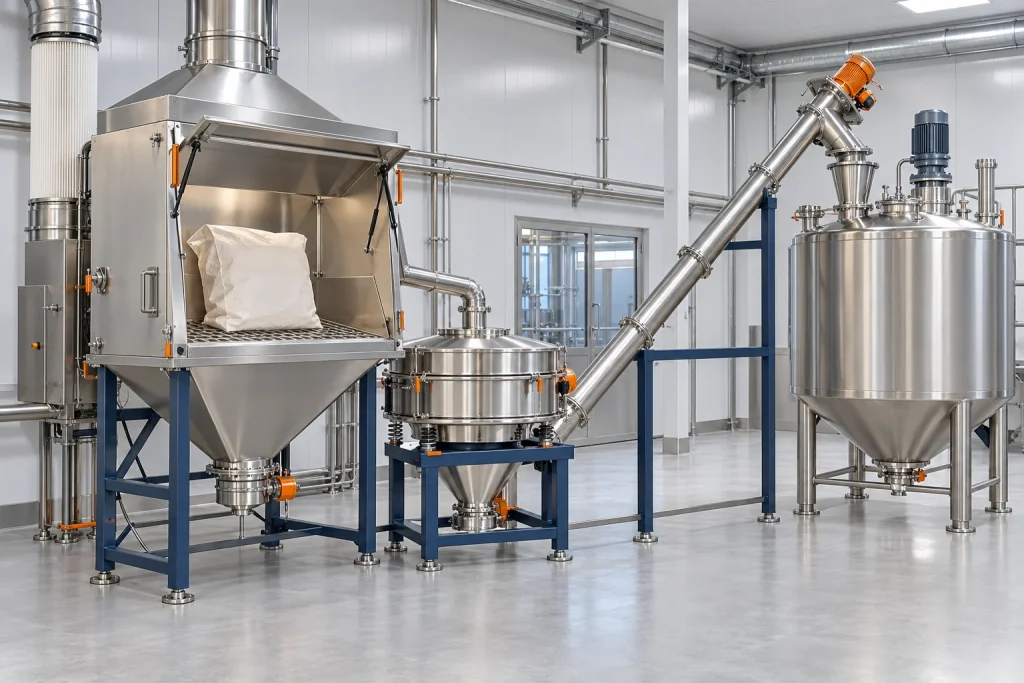
Application concept
What flour screening removes, how blocked mesh sends usable flour to rejects, and where to inspect the sieve before blending.
Read guideUseful answers
Not reliably. Size-equivalent contaminants may need a destoner or another cleaning stage.
Check aperture size, blocked openings, uneven feed and reject chute buildup.
Start with your material
Share your material, throughput and process requirements. We will review the details needed for equipment selection.