Application concept
Silica Sand Screening and Particle Size Classification
How dry silica sand screens separate size fractions, why near-size grains are misplaced, and how mesh wear changes the cut.
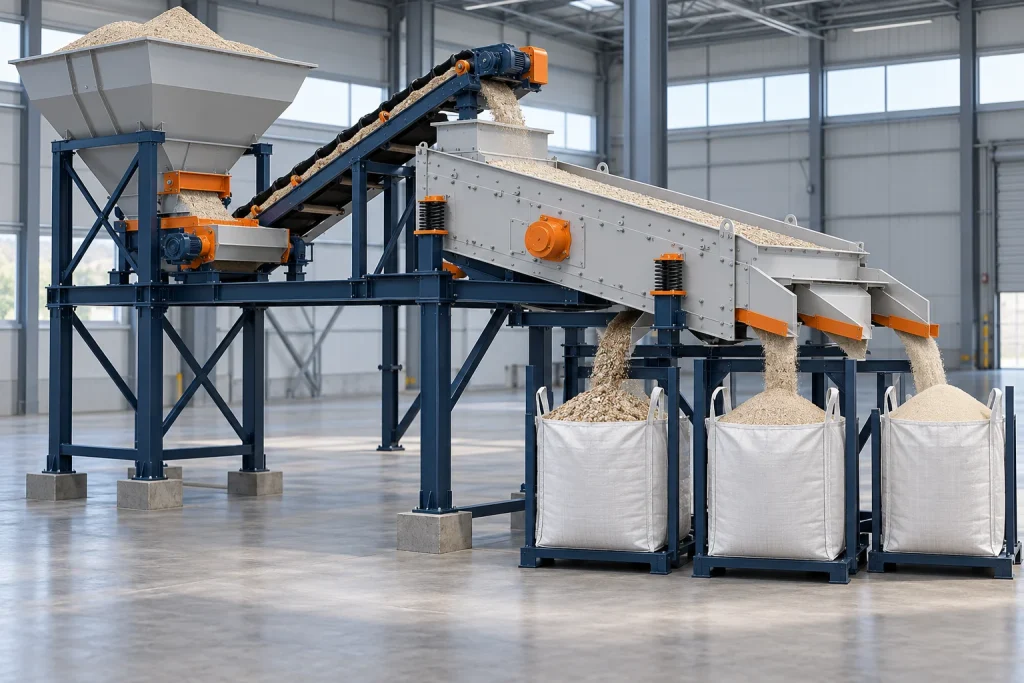
Illustrative plant profile: dry-mortar sand preparation
Consider a dry-mortar producer receiving dried silica sand from a shared feed bin. The production task is to keep usable sand in the required size band while collecting fines and coarse grains separately. This is a worked application scenario rather than a reported customer installation.
Problem at the process stage
A deep, uneven bed can carry usable grains into the coarse discharge. After screening, a common transfer chute can mix the fractions again. Increasing motor power does not correct either problem.
Equipment arrangement
A controlled feeder spreads the inlet stream across a rectangular screen. Separate deck cuts discharge to isolated chutes and labelled receiving bins. A belt conveyor transfers each intended fraction without bridging it into another product route; the required openings are established from the feed and finished-sand size distributions.
Acceptance checks
Compare sieve analyses from the feed, each screen outlet and each destination bin. If the outlet sample is correct but the bin sample is mixed, inspect downstream partitions and routing. If correct-size sand is found in coarse rejects, inspect feed distribution, bed depth and blocked openings before changing the aperture.
How sand is separated into size fractions
A sand screen sorts grains by whether they pass through its openings. With two cut points, the feed becomes oversize, an intermediate product fraction and fines. Each stream leaves through a separate outlet. A wide inlet should distribute the feed across the active deck; piling sand along one narrow strip wastes screening area and increases the bed depth. The accepted fraction can be contaminated after screening if adjacent discharge chutes leak into each other.
Near-size grains need repeated contact
A grain much smaller than the opening passes readily when it reaches the mesh. A grain close to the opening needs a favourable orientation and more opportunities to pass. Thick beds reduce those opportunities and carry usable grains into the coarse discharge. Damp fines coat sand grains or bridge openings, so increasing feed on a blinded deck makes misclassification worse.
| Material / observation | Separation / cause | Equipment / action |
|---|---|---|
| Oversize in accepted sand | Damaged mesh, worn openings or edge bypass | Inspect panels and seals |
| Usable sand in rejects | Deep bed, blocked mesh or uneven feed | Restore open area and inlet distribution |
| Clumps on the deck | Moisture binds fine particles | Address feed condition before changing aperture |

Find the cause before adjusting the screen
Coating across the mesh indicates blinding; individual grains lodged in openings indicate pegging. Enlarged openings and damaged panels indicate wear. These faults need different remedies. Clean a coated surface, address lodged grains with an appropriate cleaning arrangement, and replace damaged screening surfaces. Inspect the feed-impact zone first because local wear can change the cut before the whole deck appears worn.
Keep the grade intact after screening
Sample at each screen outlet and again after the transfer to storage. If a clean fraction becomes mixed downstream, inspect chute partitions, shared conveyors and bin routing. Abrasive sand also wears inlet liners and screw flight edges. Dust extraction is needed at exposed transfers, especially where the sand contains crystalline silica. Dry screening separates sizes; it does not wash clay coatings from grains or improve mineral chemistry.
Related equipment
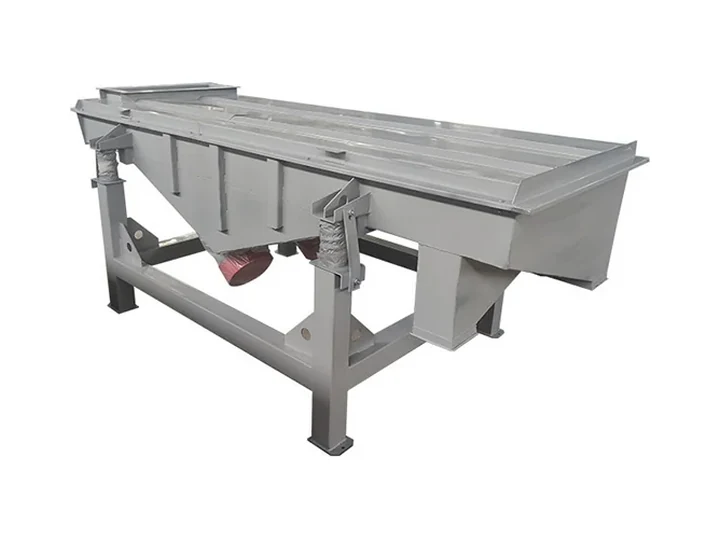
Linear Vibrating Screen
Grade sand, fertilizer granules and plastic pellets with a linear vibrating screen that separates fines, saleable fractions and oversize.
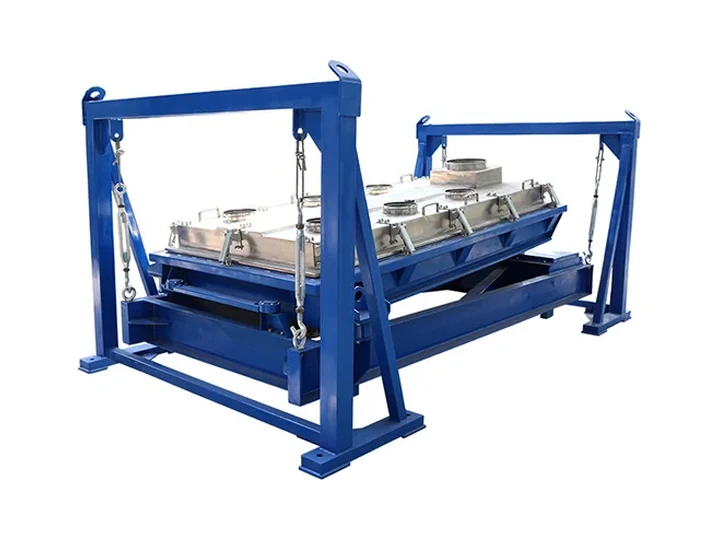
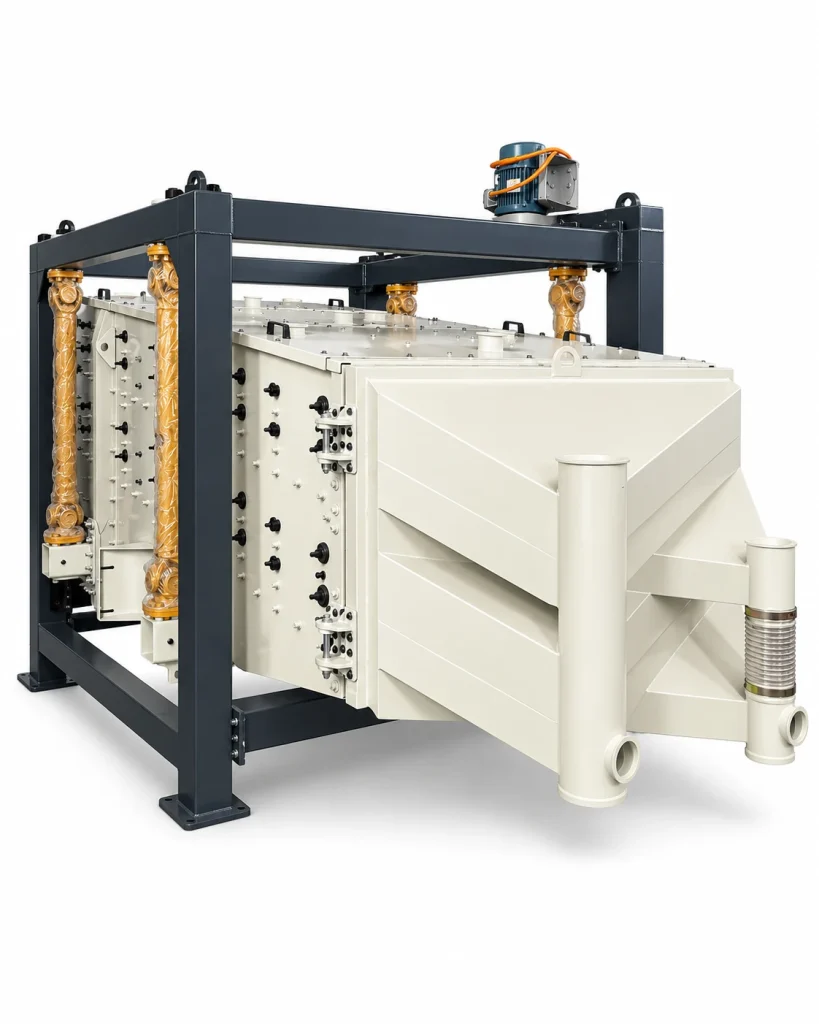
Explore equipmentGyratory Screen
Separate silica sand, fertilizer granules and pellets into distinct grades with a gyratory screen and dedicated fraction outlets.
Explore equipment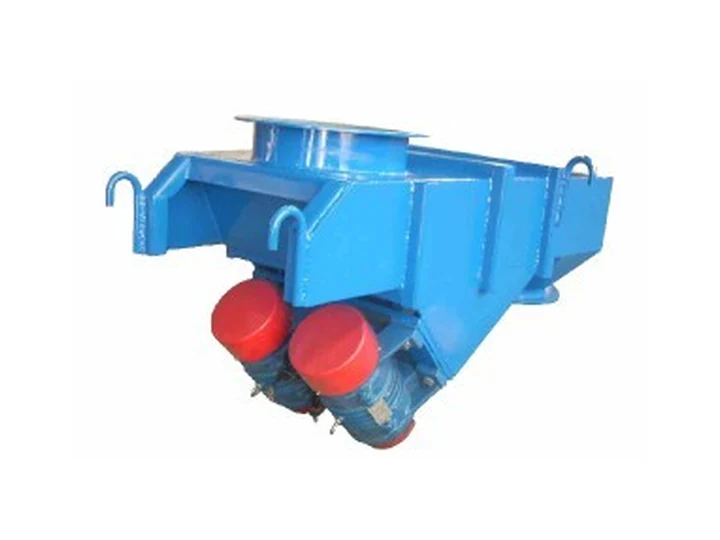
Vibrating Feeder
Feed screens and conveyors evenly with a vibrating feeder that regulates hopper discharge and spreads bulk solids across the receiving width.
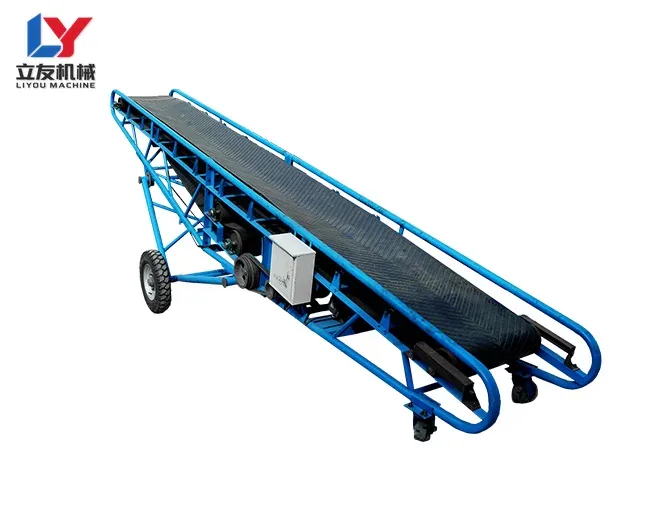
Explore equipmentBelt Conveyor
Move sand, aggregate, grain and other bulk solids between loading, processing and storage points with a belt conveyor.
Explore equipmentRelated solutions
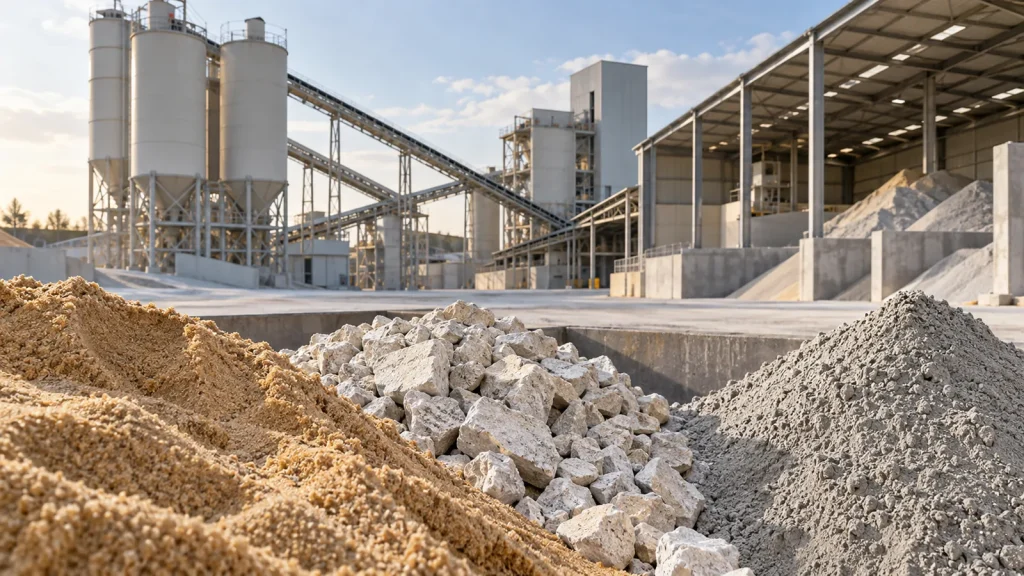
Building Materials
Grade sand and limestone, remove coarse particles from mineral powders, and move dry mortar ingredients without mixing separated fractions.
View solution
Mining & Minerals
Classify dry silica sand, quartz and mineral granules into size fractions while controlling uneven feed, blocked mesh and wear.
View solutionTechnical resources
How to Choose a Vibrating Screen
Compare screen motion, mesh openings and material properties to select equipment for the required size separation.
Read guide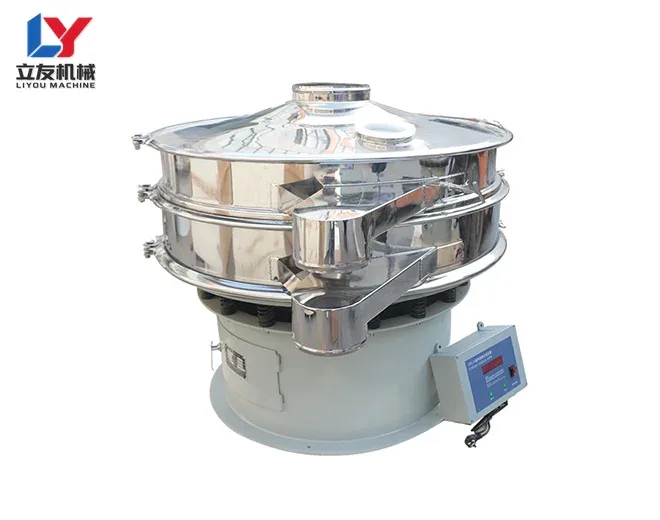
How to Prevent Screen Blinding
Screen blinding can arise from particles lodged in openings, sticky coatings or cohesive agglomerates.
Read guideUseful answers
Frequently asked questions
Why does sand screening become less accurate?
Blocked openings, worn panels, uneven feed and a deep bed all change which grains reach or pass the mesh.