Mineral granules
- Material form
- Dry mineral particles
- Typical application
- Distribute feed to a screening deck
- Handling considerations
- Lump size, abrasion and inlet load
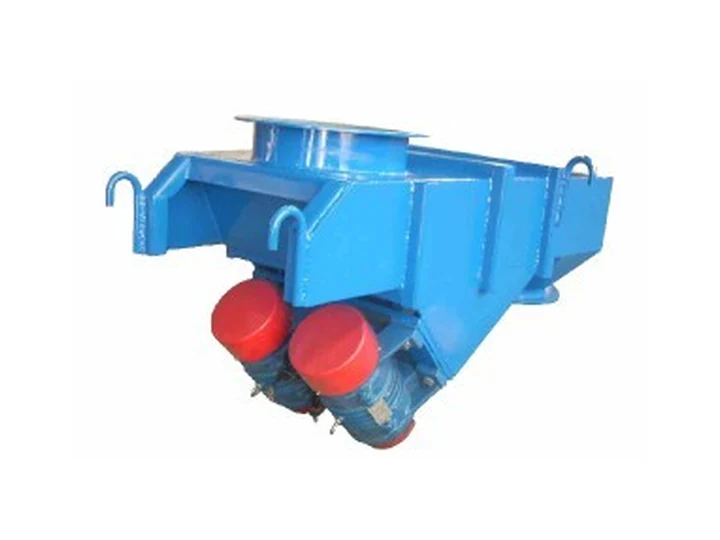
Feeding Equipment
Feed screens and conveyors evenly with a vibrating feeder that regulates hopper discharge and spreads bulk solids across the receiving width.
Regulate the material entering the screening stage so the mesh is not overwhelmed by intermittent hopper discharge.
A suitable tray width spreads feed across the inlet and makes more of the deck available for separation.
Feed dry sand, granules or pellets from a buffer hopper onto a screening deck, maintaining a shallower and more even bed.
Present a steadier stream to a belt or other receiving machine. Hopper bridging must be addressed at the outlet; tray vibration alone cannot guarantee flow from a poorly discharging bin.
Vibratory drives move the tray so particles advance by repeated small movements. The support springs isolate the moving assembly. Motor-driven and electromagnetic feeders use different drives and should not be assigned the same controls or power assumptions.
Suitable Materials for Feeding
Mineral granules
Fertilizer granules
Grain
Technical Specifications
Model Catalogue capacity (t/h) Trough dimensions (mm) Maximum feed size (mm) Motor power (kW) Motor speed (r/min) GZG30-4 15 300 × 1000 × 160 120 2 × 0.18 1450 GZG40-4 30 400 × 1200 × 160 120 2 × 0.25 1450 GZG50-4 50 500 × 1200 × 160 120 2 × 0.4 1450 GZG60-4 80 600 × 1800 × 180 150 2 × 0.75 1450 GZG70-4 100 700 × 1800 × 200 180 2 × 1.1 1450 GZG80-4 200 800 × 2000 × 225 200 2 × 1.5 1450 GZG90-4 300 900 × 1500 × 300 250 2 × 2.2 1450
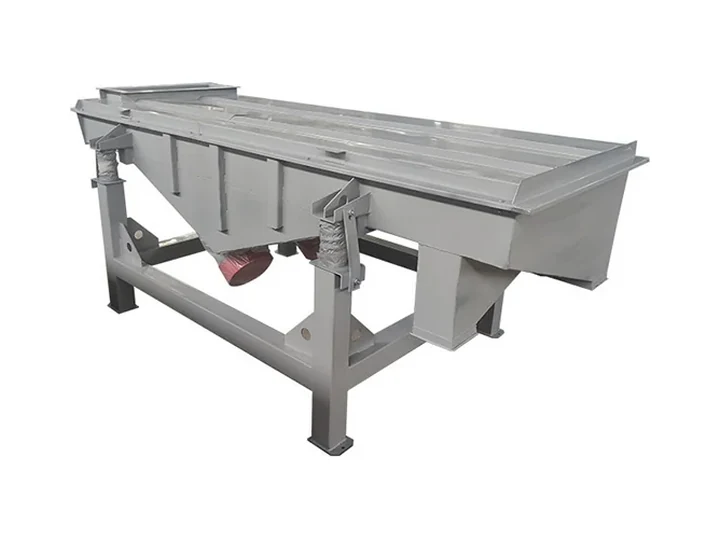
Grade sand, fertilizer granules and plastic pellets with a linear vibrating screen that separates fines, saleable fractions and oversize.
Explore equipment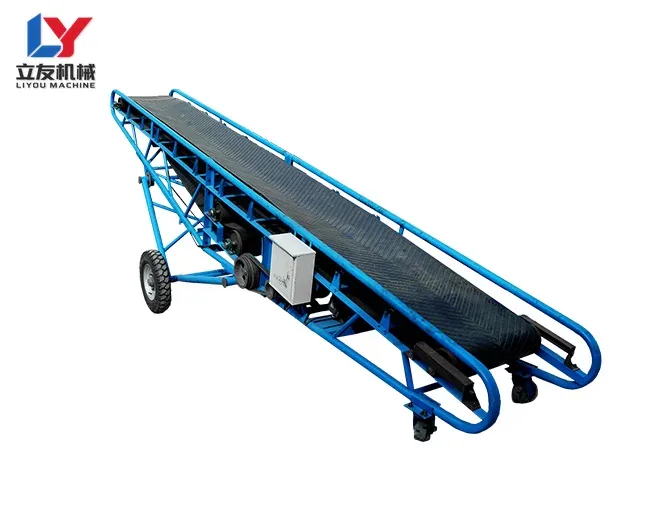
Move sand, aggregate, grain and other bulk solids between loading, processing and storage points with a belt conveyor.
Explore equipment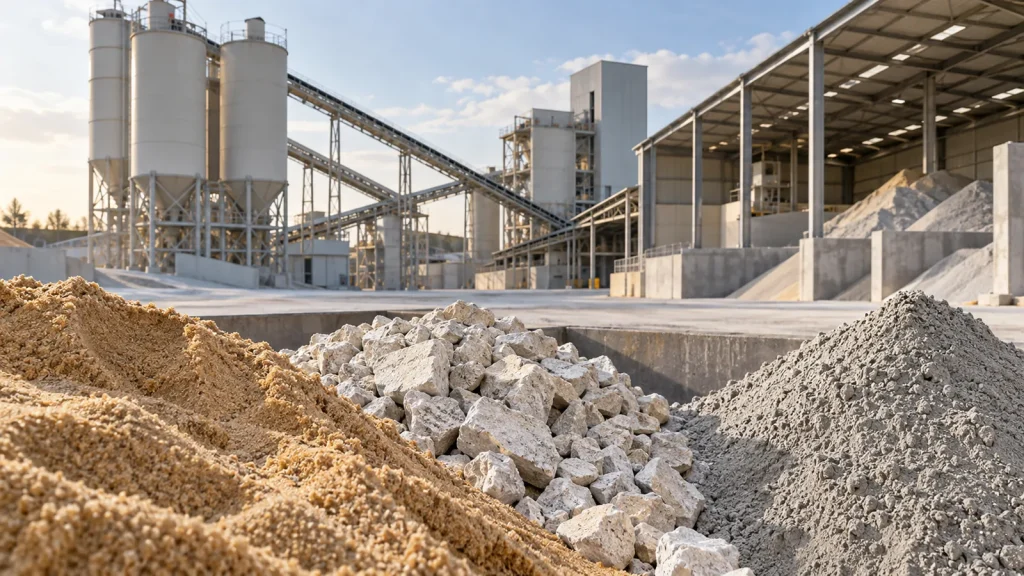
Grade sand and limestone, remove coarse particles from mineral powders, and move dry mortar ingredients without mixing separated fractions.
View solution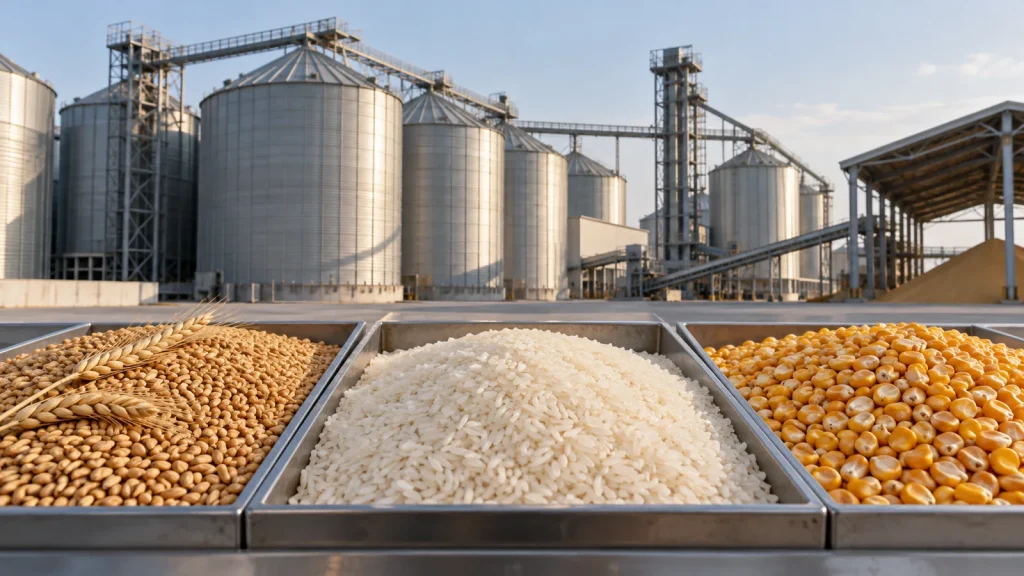
Remove oversized debris and undersize from wheat, corn and rice, then convey the cleaned grain with attention to breakage and carryover.
View solution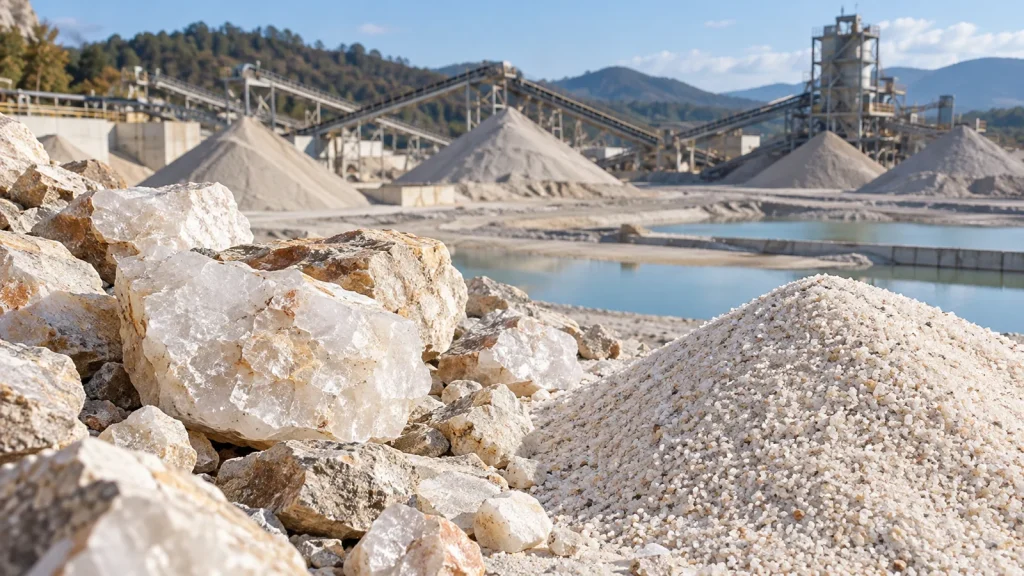
Classify dry silica sand, quartz and mineral granules into size fractions while controlling uneven feed, blocked mesh and wear.
View solution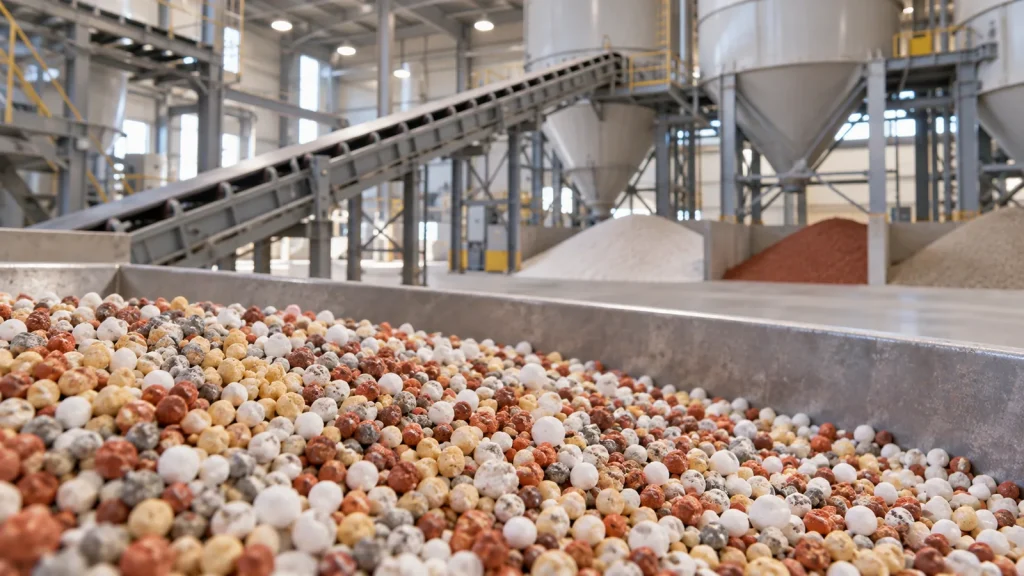
Separate fertilizer granules from fines and oversize, keep recycle streams distinct, and reduce breakage during conveying.
View solutionSeparate fertilizer into fines, accepted granules and oversize, then identify transfer points that create new broken particles.
Read guide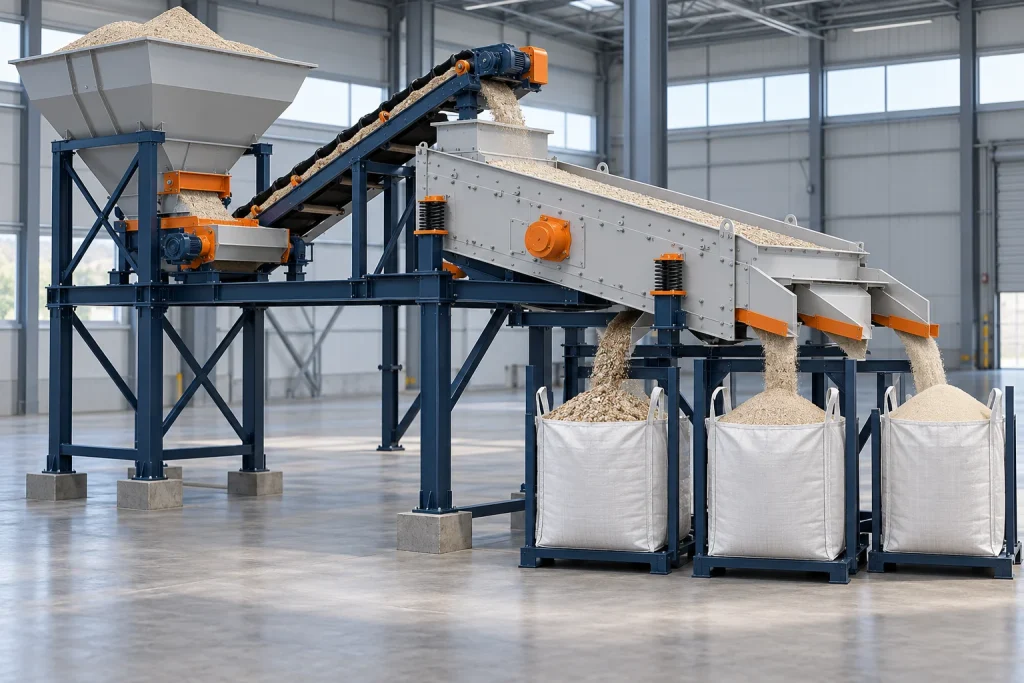
Application concept
How dry silica sand screens separate size fractions, why near-size grains are misplaced, and how mesh wear changes the cut.
Read guideUseful answers
No. Hopper opening, head pressure, lump size and turndown affect the tray and drive selection.
Start with your material
Share your material, throughput and process requirements. We will review the details needed for equipment selection.