Application Example
Fertilizer Granule Screening and Conveying Solution
Separate fertilizer into fines, accepted granules and oversize, then identify transfer points that create new broken particles.
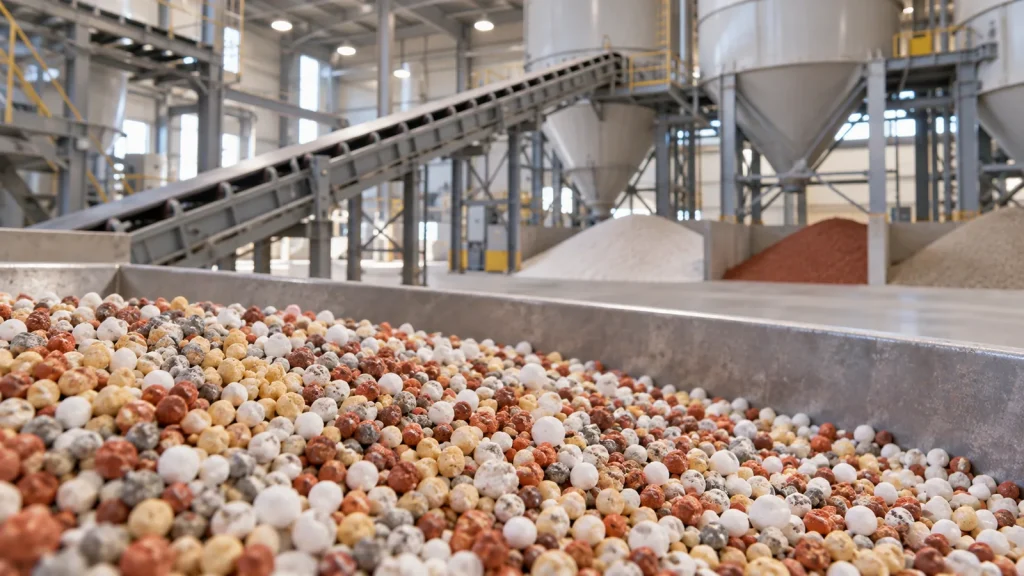
Two cuts produce three fertilizer streams
A two-cut fertilizer screen removes oversize on the upper deck and separates fines on the lower deck. Accepted granules occupy the size band between those cuts. The outlets remain separate through collection and transfer. Combining them again below the screen defeats the grading. A process that recycles fines or crushed oversize must route those streams away from finished granules.
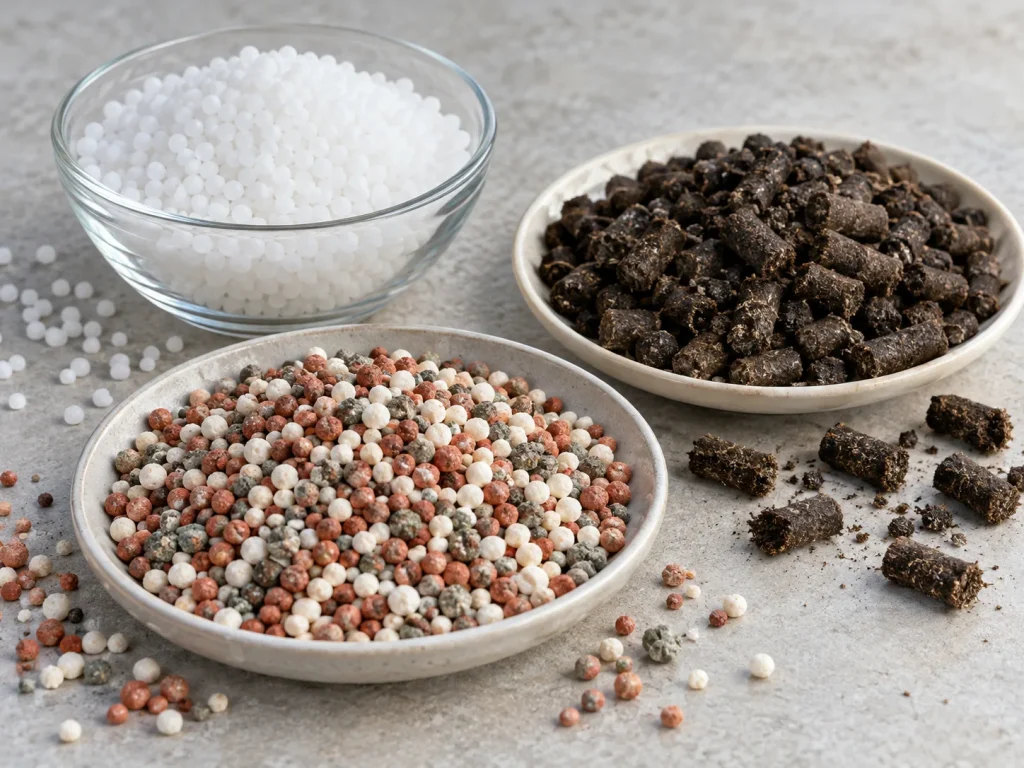
Granule strength changes the handling problem
Granular NPK and urea are not identical conveying duties. Weak granules break at impacts and create fines after an initially clean separation. Moisture can cause caking and deposits at feed or discharge points. Screening removes oversized cakes but cannot restore the original physical condition of the product. Near-size granules need repeated contact with the mesh rather than a thick layer riding over it.
| Material / observation | Separation / cause | Equipment / action |
|---|---|---|
| Fines | Below the lower cut | Keep separate from finished granules |
| Accepted granules | Between the lower and upper cuts | Transfer to finished-product handling |
| Oversize | Above the upper cut | Keep separate for the applicable rework stage |
A clean screen cannot correct an overloaded chute
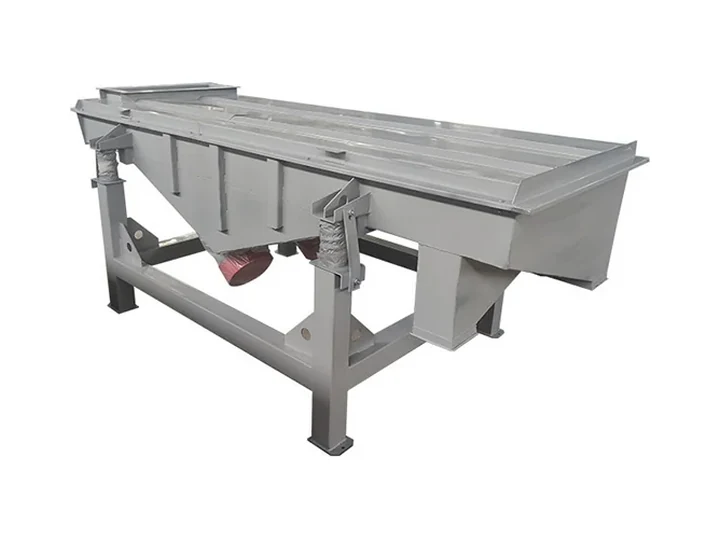
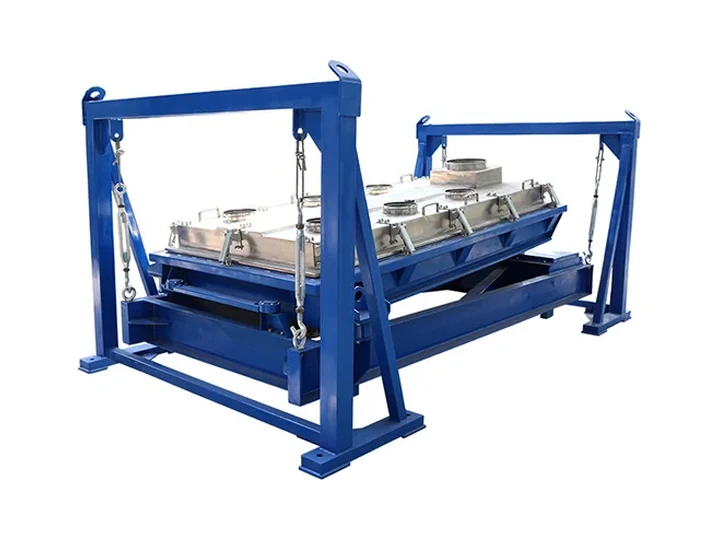
Uneven feeding underuses part of the deck and overloads another part. Stabilise the inlet and keep reject chutes clear. Inspect panels for wear, tears and edge gaps when oversized particles appear in accepted material. Linear and gyratory screens can grade suitable granules, but the deck and discharge layout must keep each cut isolated.
Locate where new fines are generated
Take samples after the screen and after each elevator or conveyor. A rise in fines across one transfer identifies granule damage there. Inspect long drops, abrupt chute bends, buildup and a conveyor receiving more material than it can carry. Guide the stream through the chute and reduce unnecessary impact. Changes to the screen cut cannot cure breakage occurring after the screen.
Related equipment
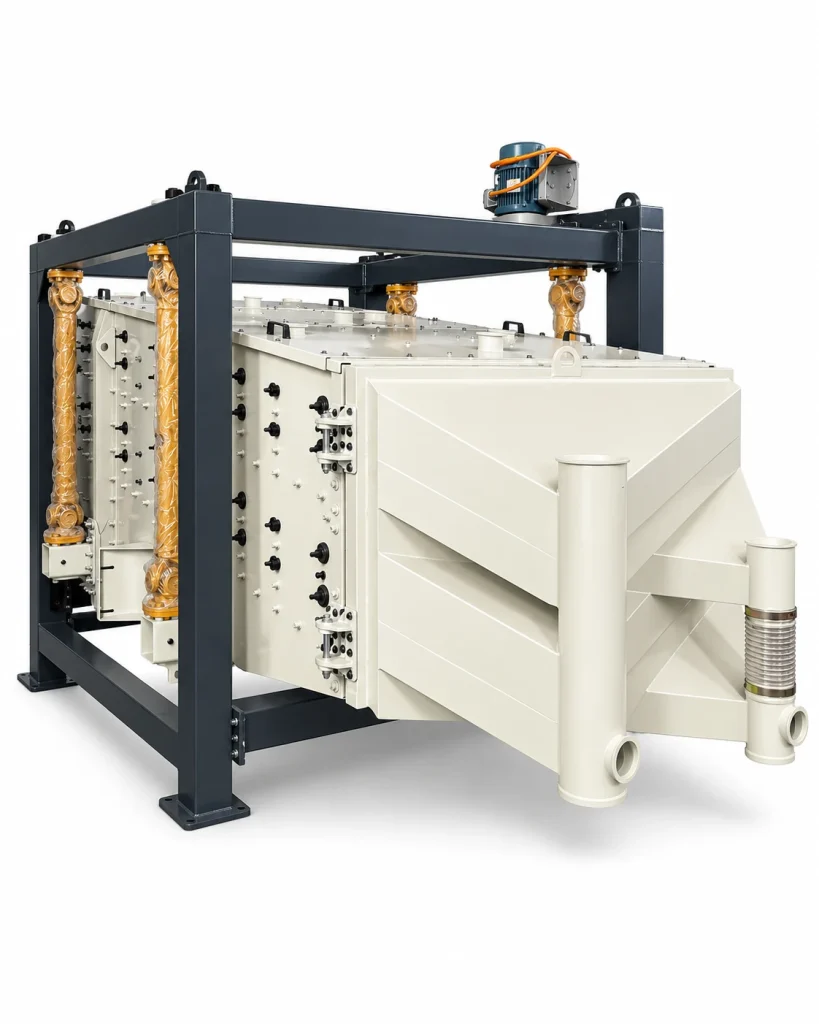
Linear Vibrating Screen
Grade sand, fertilizer granules and plastic pellets with a linear vibrating screen that separates fines, saleable fractions and oversize.
Explore equipmentGyratory Screen
Separate silica sand, fertilizer granules and pellets into distinct grades with a gyratory screen and dedicated fraction outlets.
Explore equipment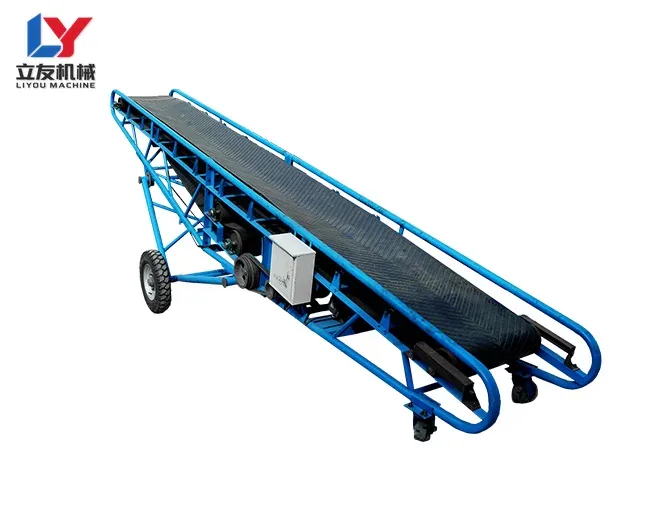
Belt Conveyor
Move sand, aggregate, grain and other bulk solids between loading, processing and storage points with a belt conveyor.
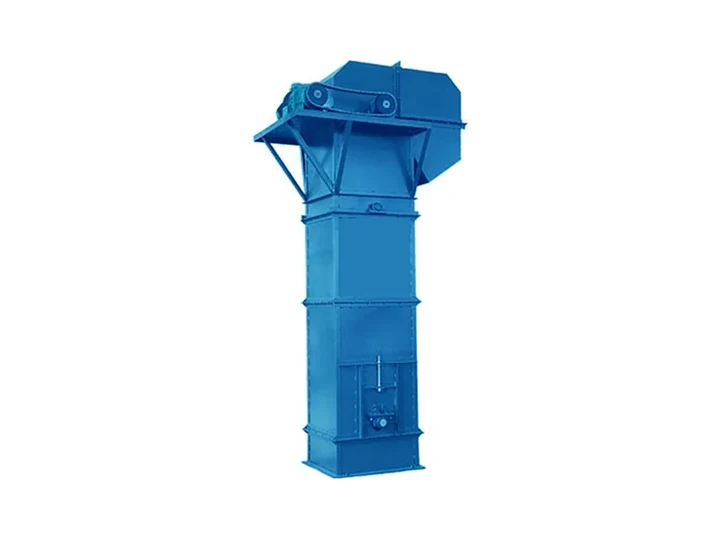
Explore equipmentBucket Elevator
Lift grain, sand and other bulk solids from a lower inlet to an elevated storage or processing point with a bucket elevator.
Explore equipmentRelated solutions
Fertilizer Production
Separate fertilizer granules from fines and oversize, keep recycle streams distinct, and reduce breakage during conveying.
View solutionTechnical resources
How to Choose a Vibrating Screen
Compare screen motion, mesh openings and material properties to select equipment for the required size separation.
Read guide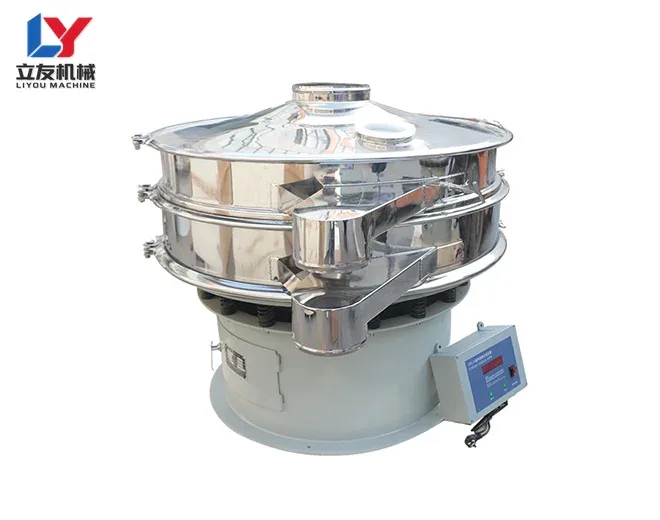
How to Prevent Screen Blinding
Screen blinding can arise from particles lodged in openings, sticky coatings or cohesive agglomerates.
Read guideUseful answers
Frequently asked questions
Why are there fines in fertilizer after screening?
The screen may be misplaced or blinded, or granules may break during later conveying. Compare samples at individual stages.