Technical resource
Why Does a Conveyor Belt Slip
A moving drive with an underperforming belt can indicate slip at the drive pulley, but poor throughput may also result from overloading, a blocked discharge or material rollback.
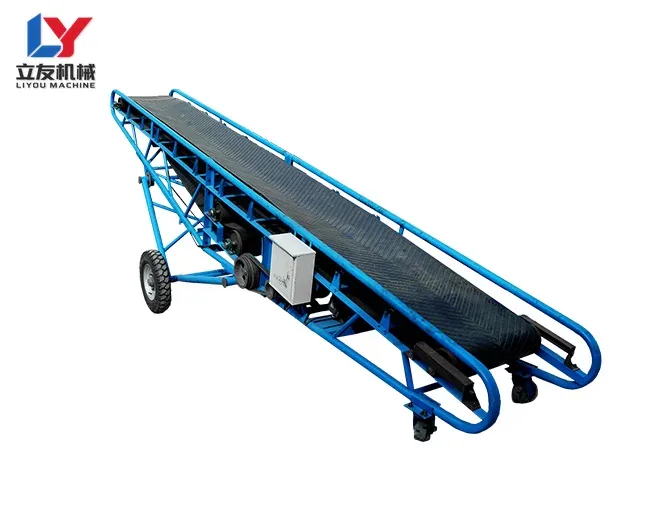
Confirm where slip occurs
A moving drive with an underperforming belt can indicate slip at the drive pulley, but poor throughput may also result from overloading, a blocked discharge or material rollback. Observe the belt, pulley and load before changing tension.
Review the operating condition
Check the specified loading, start condition, take-up travel, alignment and condition of the contacting surfaces. Wet contamination or deposits can affect traction. Excessive added tension is not a universal remedy and can increase loads on bearings, pulleys and the belt. Mechanical inspection should follow the supplied maintenance procedure with the machine safely isolated.
Define the corrective test
Record the load and conditions when the symptom occurs. Ask the engineer to review the drive and tension assumptions for that duty. After correction, compare belt movement and transfer behavior at the agreed load, including startup if relevant. Inspect tracking, buildup and pulley contact. Keep the installed belt and splice specification with the conveyor record.
Equipment for this decision
Related equipment
Belt Conveyor
Move sand, aggregate, grain and other bulk solids between loading, processing and storage points with a belt conveyor.
Explore equipment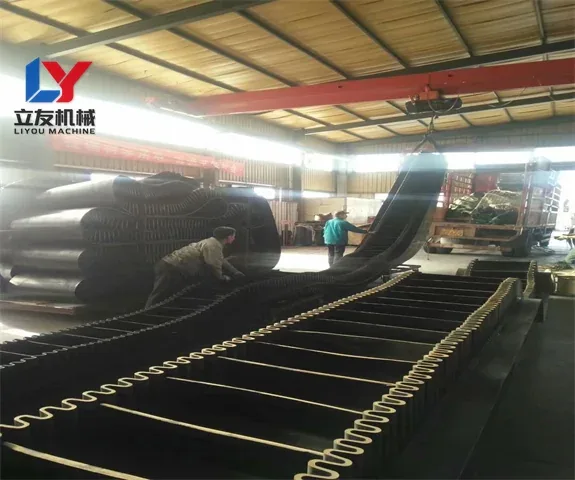
Rubber Conveyor Belting
Replace a worn carrying surface with rubber conveyor belting matched to the conveyor, bulk material and operating conditions.
Explore equipment