Application Example
Plastic Pellet Screening and Oversize Separation
Separate fused plastic pellets and small fragments, keep useful pellets out of rejects, and limit contamination during grade changes.
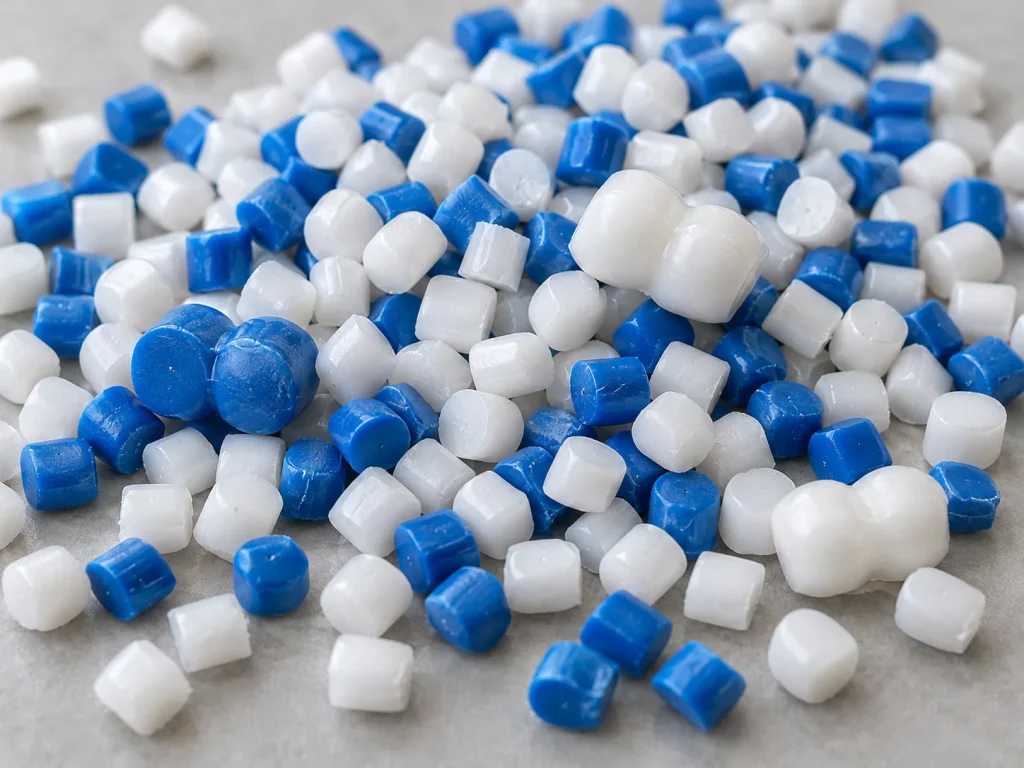
Separating fused pellets from usable product
Plastic pellet screening removes oversized fused pieces and separates smaller fragments from the wanted pellet band. A multi-deck screen can provide distinct oversize, accepted-pellet and fines outlets. Pellets of different resin types can have the same dimensions, so a screen cannot sort them reliably by chemistry or colour. Grade segregation starts with separate storage and clean handling equipment.
Pellet shape and fines
Cylindrical, rounded and irregular pellets contact the mesh differently. A long thin piece may pass an opening in one orientation but be retained in another. Soft or warm pellets may adhere or deform, creating a different problem from dry rigid pellets. Fines can cling to surfaces and appear again downstream when deposits are disturbed.
| Material / observation | Separation / cause | Equipment / action |
|---|---|---|
| Fused pellets | Oversized joined pieces | Separate at the upper size cut |
| Small fragments and fines | Below the wanted pellet size | Collect separately from accepted pellets |
| Different resin grades | Similar size but different composition | Prevent mixing; screening cannot identify resin chemistry |
Why usable pellets appear in oversize
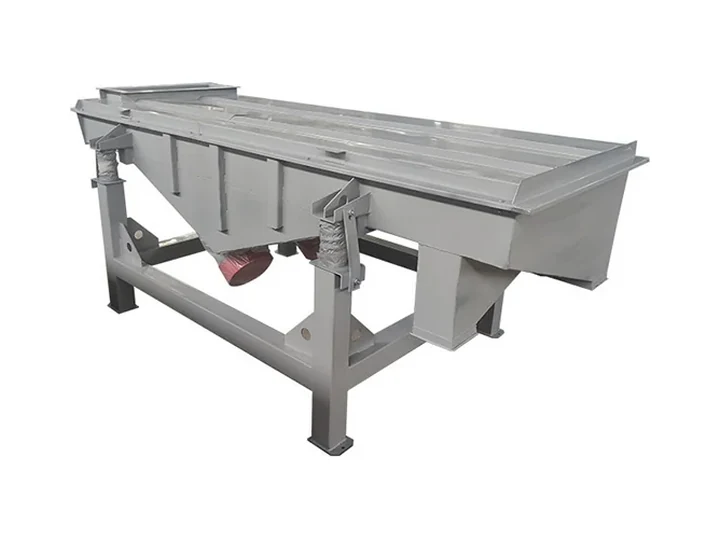
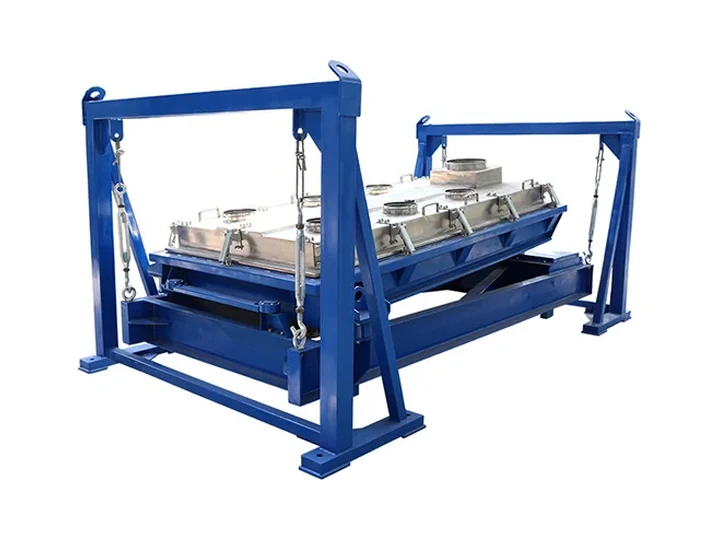
Excessive bed depth or uneven feed limits contact with the openings. Blocked openings and an aperture unsuited to pellet geometry can produce the same symptom. Inspect a reject sample and the deck before adjusting the machine. Linear and gyratory screens spread a suitable pellet feed across the screening surface; clean discharge partitions prevent the separated fractions from mixing again.
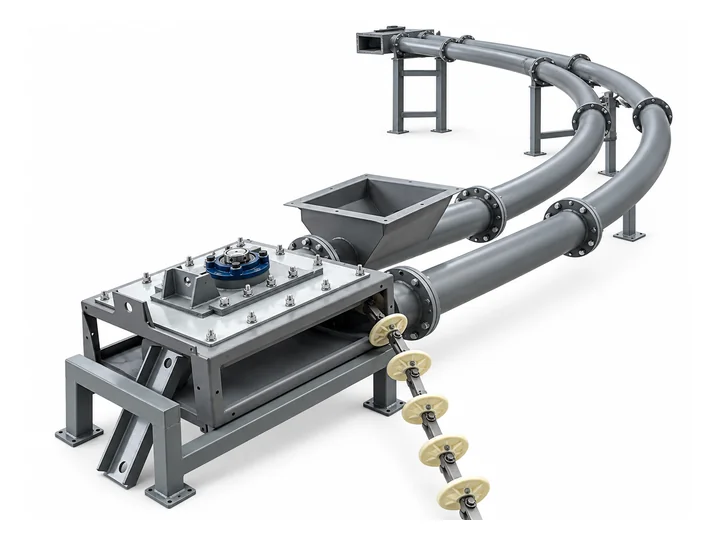
Prevent grade carryover in closed conveyors
An enclosed pipe chain conveyor moves suitable pellets through a tube route, but closure does not guarantee that the route empties completely. Inspect bends, the discharge and drive or tension housings for retained pellets during a grade change. Screw conveyors also require attention to trapped pellets and friction where the resin is susceptible to damage. Compare the fines level before and after transfer to identify handling-generated fragments.
Related equipment
Linear Vibrating Screen
Grade sand, fertilizer granules and plastic pellets with a linear vibrating screen that separates fines, saleable fractions and oversize.
Explore equipment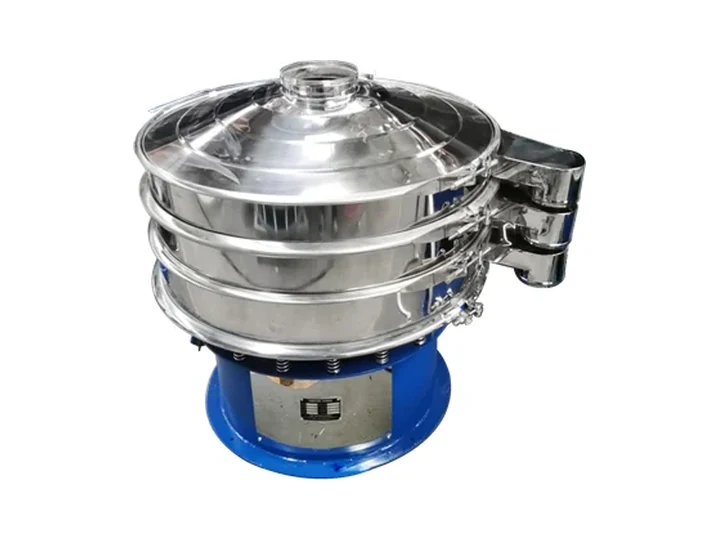
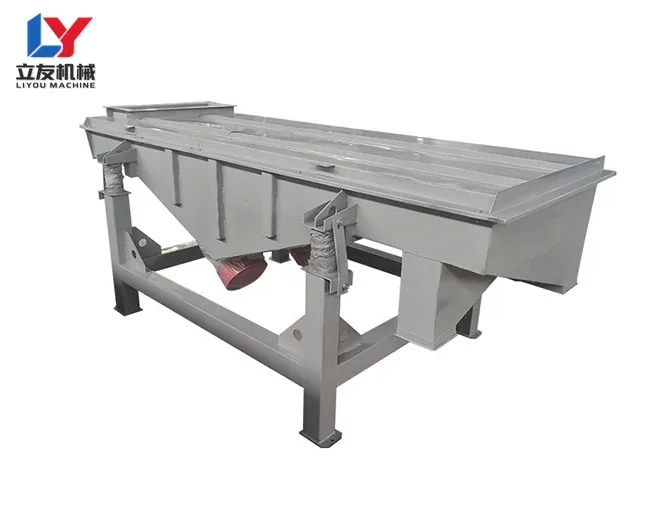
Rotary Vibrating Screen
Remove lumps and grade powders with a rotary vibrating screen for flour, starch, mineral fillers and chemical ingredients.
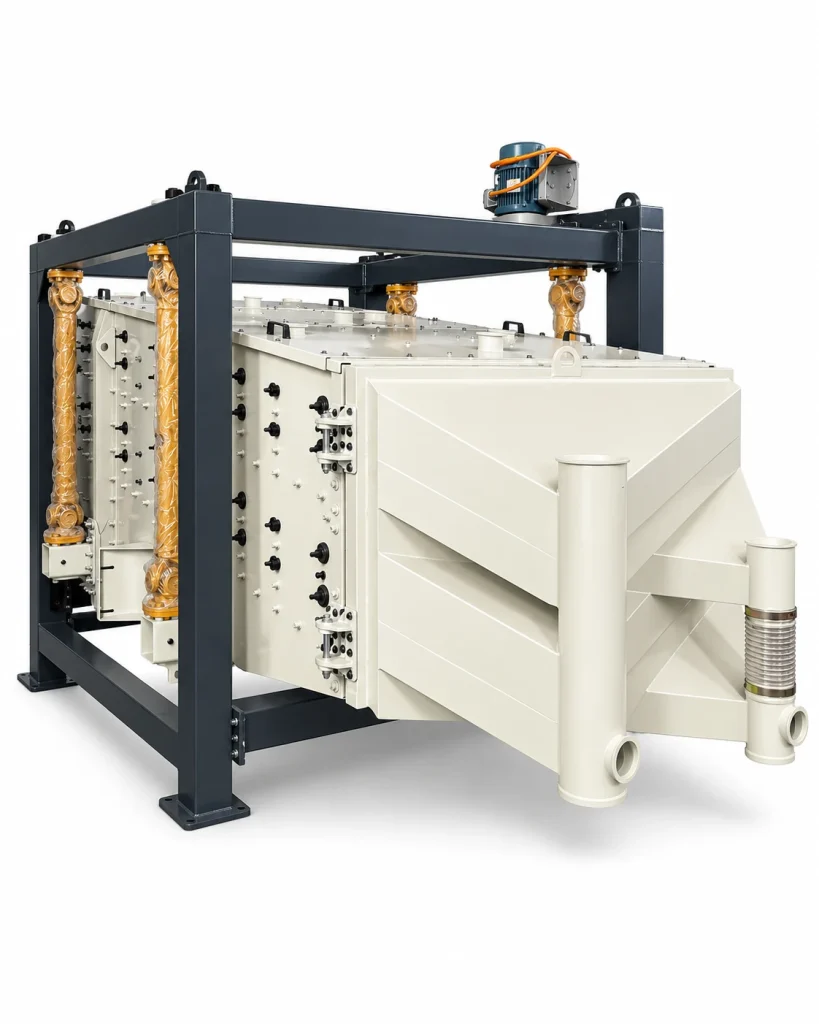
Explore equipmentGyratory Screen
Separate silica sand, fertilizer granules and pellets into distinct grades with a gyratory screen and dedicated fraction outlets.
Explore equipmentRelated solutions
Plastics
Polymer pellets require removal of off-size material and transfer to a receiving bin.
View solutionTechnical resources
How to Choose a Vibrating Screen
Compare screen motion, mesh openings and material properties to select equipment for the required size separation.
Read guide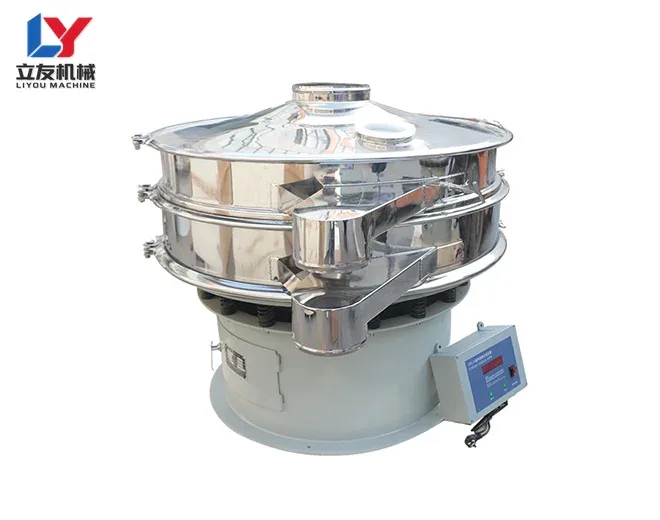
How to Prevent Screen Blinding
Screen blinding can arise from particles lodged in openings, sticky coatings or cohesive agglomerates.
Read guideUseful answers
Frequently asked questions
Can a pellet screen separate mixed resin types?
Not when their sizes overlap. Screening classifies physical size rather than resin composition.