Technical resource
How to Prevent Screen Blinding
Screen blinding can arise from particles lodged in openings, sticky coatings or cohesive agglomerates.
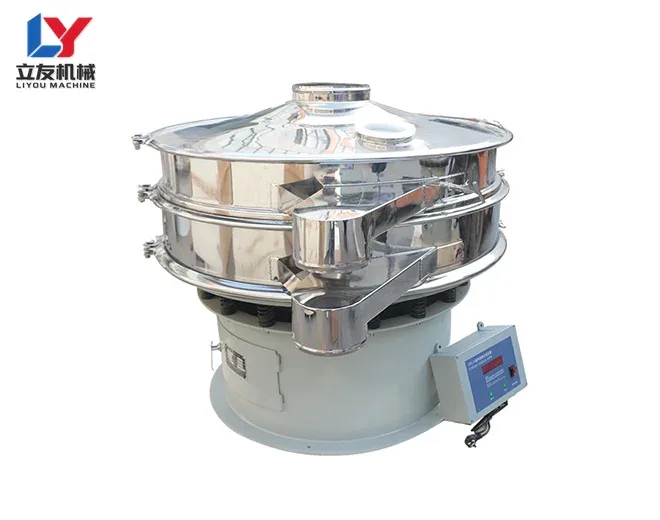
Identify the obstruction
Screen blinding can arise from particles lodged in openings, sticky coatings or cohesive agglomerates. Poor spreading or excessive bed depth can also reduce passage without actual aperture blockage. Inspect the mesh and collected material before choosing a remedy.

Match the cleaning mechanism
Bouncing balls act against the underside of a compatible screen assembly. A brush or scraper sweeps mechanically and must not damage the mesh. Ultrasound needs a matched generator, transducer and transmitting frame. Drying, conditioning or reducing the feed load may be more relevant where moisture or bed depth is the root cause.
Compare before and after
Trial the same feed with and without the proposed change. Record sustained rate, fraction grading, mesh condition and contamination from wear parts. Inspect seals and mesh tension as well as visible blockage. Define cleaning access and replacement identification. Do not adopt a supplier’s maximum improvement percentage without the material and test conditions that produced it.
Equipment for this decision
Related equipment
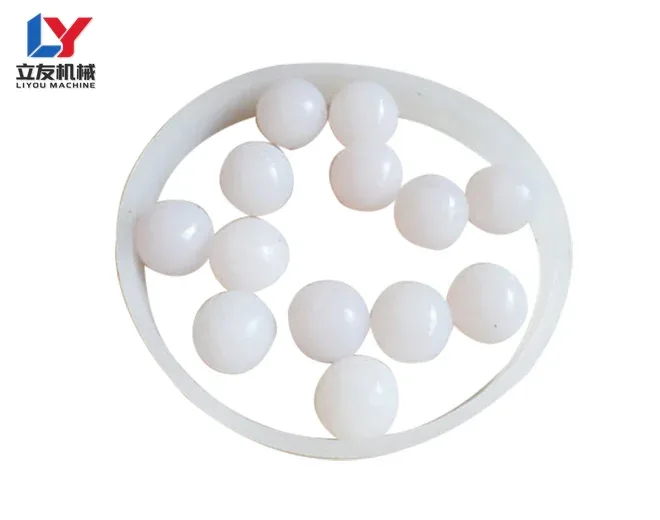
Bouncing Balls
Reduce particle lodging beneath compatible screen mesh with bouncing cleaning balls installed in the cleaning tray.
Explore equipment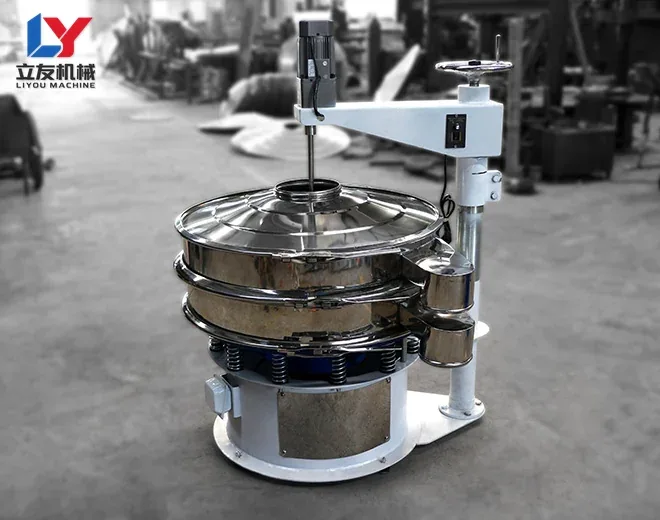
Scraper Vibrating Screen
Keep material moving across a screening surface with a scraper vibrating screen that combines vibration with a sweeping element.
Explore equipmentUltrasonic Vibrating Screen
Keep fine-powder screening openings clear with an ultrasonic vibrating screen for coating powders, mineral fillers and other cohesive dry powders.
Explore equipment