Flour blends
- Material form
- Dry ingredient powders
- Typical application
- Distribute compatible dry ingredients through a batch
- Handling considerations
- Blend uniformity, fill level and cleaning
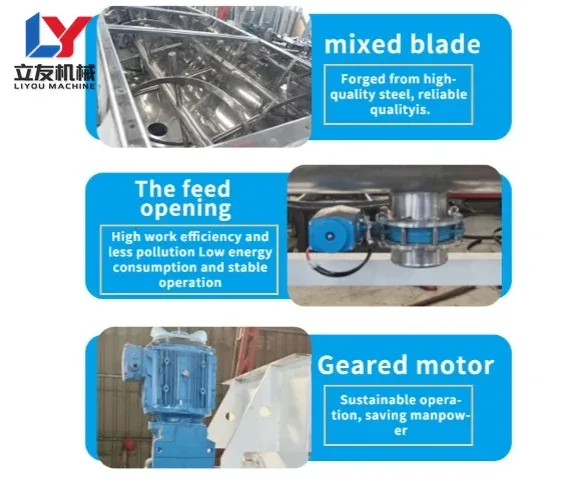
Mixing Equipment
Blend dry powders and granules in a ribbon mixer before packing, forming or further processing.
Compare Mixing Equipment ↗Inner and outer ribbons circulate material in opposing directions to move ingredients through the working volume.
Combine the weighed components in one mixing vessel before discharging to the next stage.
Distribute salt, sugar and other dry components through a batch, with cleanout access for recipe changes.
Combine dry fillers and additives before packing. Large differences in density or particle size can cause segregation after mixing; blend quality must be assessed by representative samples, not mixing time alone.
Inner and outer helical ribbons move material in opposing directions to promote circulation. The loading level, powder flow and discharge arrangement affect how uniformly ingredients are distributed and how completely a batch is emptied.
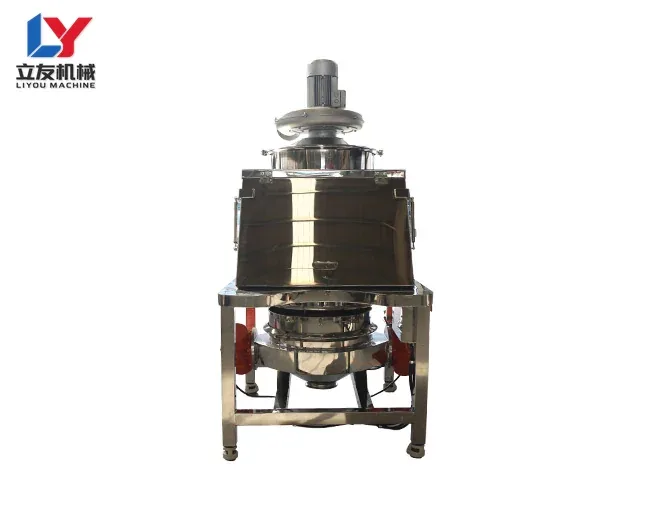
Empty powder bags into a contained receiving hopper with a dust free feeding station and the appropriate dust extraction connection.
Explore equipment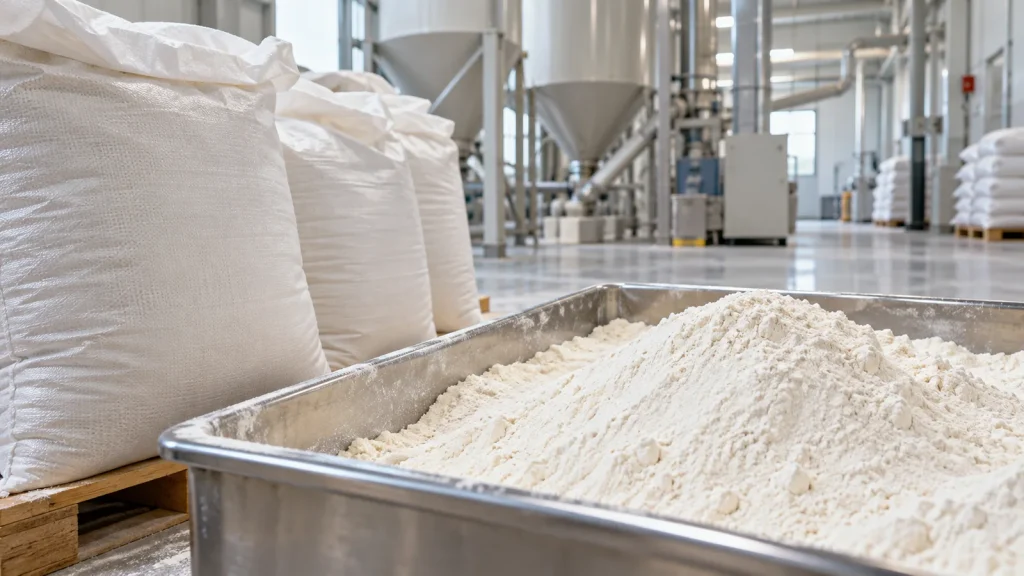
Remove oversize from flour and starch, grade sugar and salt, and transfer dry ingredients between sieving, blending and packing.
View solutionUseful answers
No. The mixer needs an appropriate operating fill to circulate the material effectively.
Start with your material
Share your material, throughput and process requirements. We will review the details needed for equipment selection.