Wood offcuts
- Material form
- Clean dry wood pieces
- Typical application
- Reduce feed size for reuse or processing
- Handling considerations
- Maximum feed dimensions and absence of metal
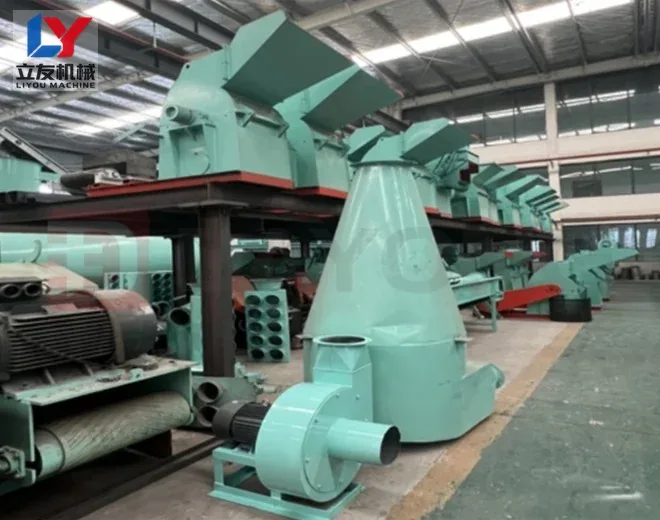
Pulverizing Equipment
Reduce clean wood pieces and residues with a wood grinder to prepare a more manageable feed for the next biomass or material-processing stage.
Compare Pulverizing Equipment ↗Cutting and grinding reduce piece size for onward conveying and storage.
A defined feed opening and discharge arrangement limit the range of material entering and leaving the grinder.
Reduce suitable clean offcuts and chips before further size classification or biomass preparation.
Process wood within the machine inlet and tool limits before the next stage. Metal, stone and unsuitable treated wood must be excluded; the grinder does not dry wet wood or produce finished pellets by itself.
A rotating cutting or grinding assembly reduces wood pieces and releases the product through the discharge. Tool geometry, incoming piece dimensions and moisture influence the resulting particle form. Extraction collects dust generated during reduction.
Metal, stone and other foreign objects can damage the tools.
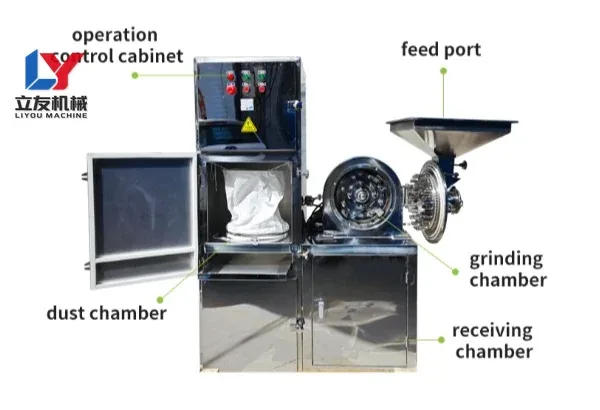
Reduce suitable dry feed with a dust removal universal crusher combining mechanical size reduction and airborne-fines collection.
Explore equipment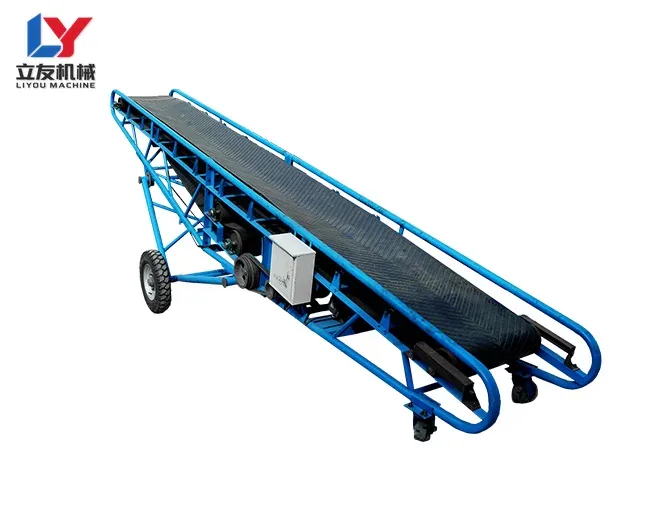
Move sand, aggregate, grain and other bulk solids between loading, processing and storage points with a belt conveyor.
Explore equipmentUseful answers
Tool geometry, discharge arrangement, incoming piece size and moisture affect particle form. Metal and stone must be removed from the feed to protect the grinding tools.
Start with your material
Share your material, throughput and process requirements. We will review the details needed for equipment selection.