Quartz sand
- Material form
- Dry mineral grains
- Typical application
- Separate coarse and fine sand fractions
- Handling considerations
- Moisture, abrasion and required cut sizes
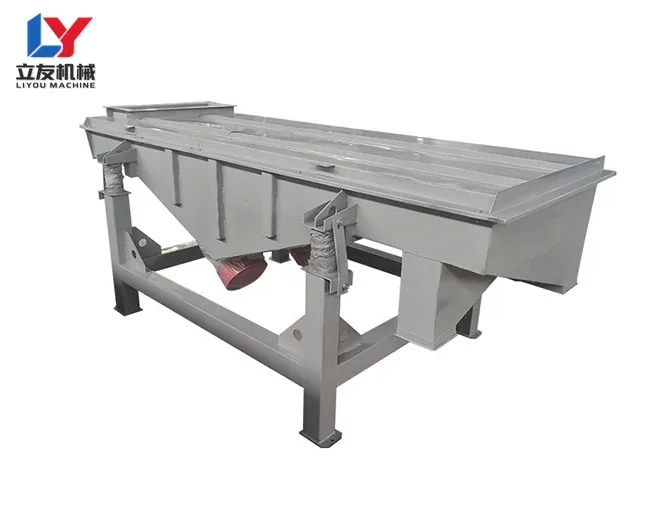
Screening Equipment
Grade sand, fertilizer granules and plastic pellets with a linear vibrating screen that separates fines, saleable fractions and oversize.
Separate a continuous feed into usable grades, with fines and oversize leaving through different outlets instead of contaminating the finished fraction.
Return only the rejected size fraction to crushing or granulation; keep correctly sized material out of the rework stream.
Place the screen after drying or crushing and before graded storage. Separate sand fractions for dry mortar or mineral processing; wet, sticky feed needs a different preparation step.
Screen cooled fertilizer granules or plastic pellets before bagging to remove fines and oversized pieces. The aperture determines the size split, not chemical purity.
Two counter-rotating vibratory drives produce a resultant force along the selected throw direction. Particles lift from the deck, move forward and repeatedly encounter the apertures. Smaller particles pass through; retained particles continue to the end outlet. Multiple decks can create several fractions, but each additional deck introduces a separate loading and discharge constraint.
Applications & Suitable Materials
Quartz sand
Fertilizer granules
Plastic pellets
Grain and seeds
Technical Specifications
Model Screen dimensions (mm) Motor power (kW) Particle size (mm) Frequency (min⁻¹) Incline (°) Amplitude (mm) Decks LYZX-515 500 × 1500 2 × (0.25–0.75) 0.075–60 960 0–7 4–8 1–7 LYZX-530 500 × 3000 2 × (0.37–0.75) 0.075–60 960 0–7 4–8 1–7 LYZX-1020 1000 × 2000 2 × (0.55–1.1) 0.075–60 960 0–7 4–8 1–7 LYZX-1040 1000 × 4000 2 × (0.75–1.5) 0.075–60 960 0–7 4–8 1–7 LYZX-1220 1200 × 2000 2 × (0.75–1.5) 0.075–60 960 0–7 4–8 1–7 LYZX-1245 1200 × 4500 2 × (1.1–2.2) 0.075–60 960 0–7 4–8 1–7 LYZX-1525 1500 × 2500 2 × (1.5–2.2) 0.075–60 960 0–7 4–8 1–7 LYZX-1550 1500 × 5000 2 × (1.5–3.7) 0.075–60 960 0–7 4–8 1–7
Inspect tension, seals and drive rotation using the approved shutdown procedure.
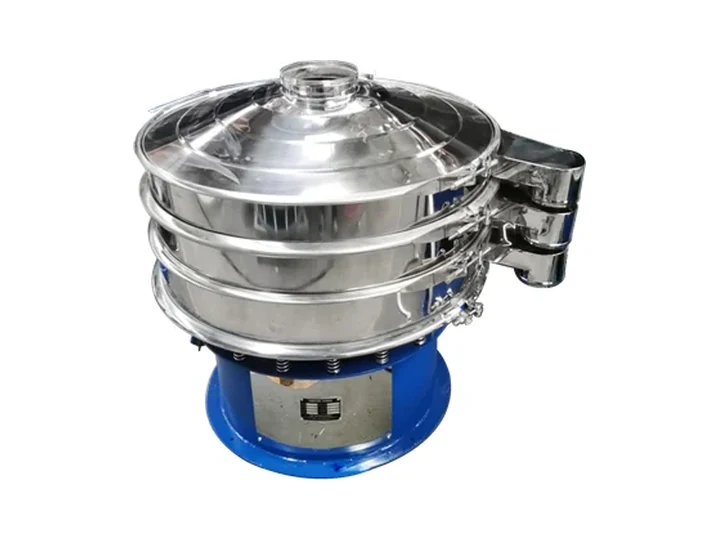
Remove lumps and grade powders with a rotary vibrating screen for flour, starch, mineral fillers and chemical ingredients.
Explore equipment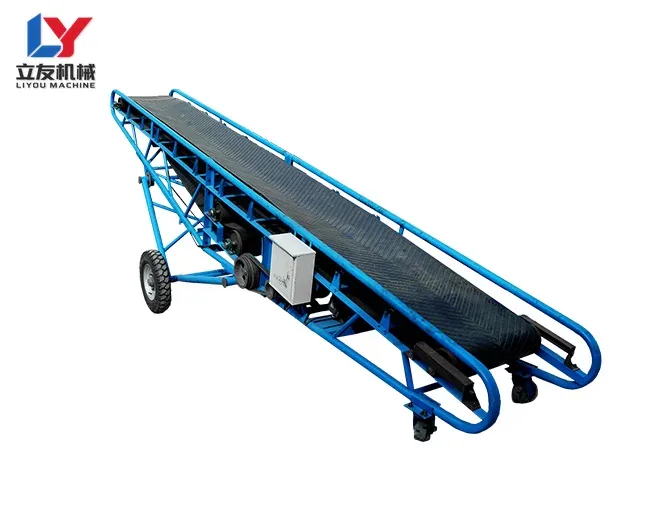
Move sand, aggregate, grain and other bulk solids between loading, processing and storage points with a belt conveyor.
Explore equipment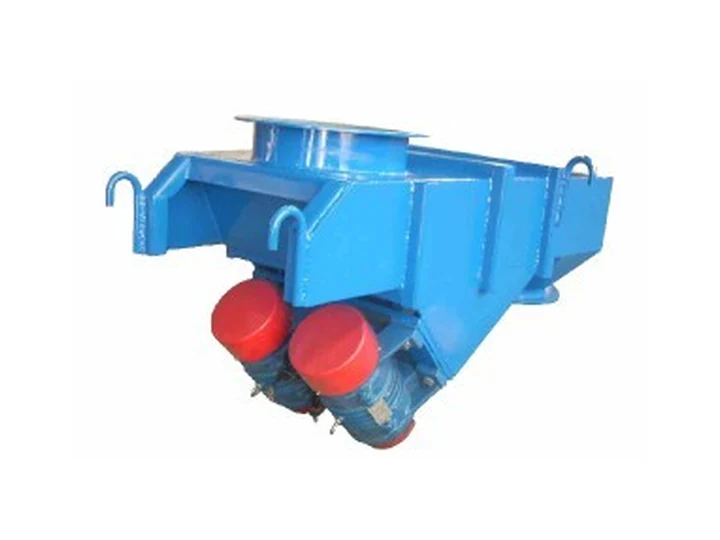
Feed screens and conveyors evenly with a vibrating feeder that regulates hopper discharge and spreads bulk solids across the receiving width.
Explore equipment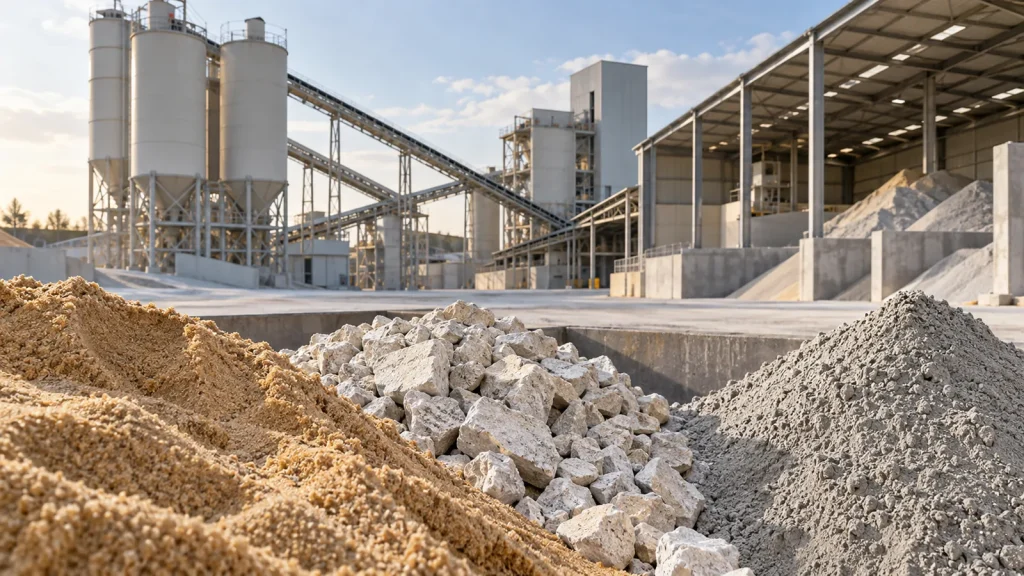
Grade sand and limestone, remove coarse particles from mineral powders, and move dry mortar ingredients without mixing separated fractions.
View solution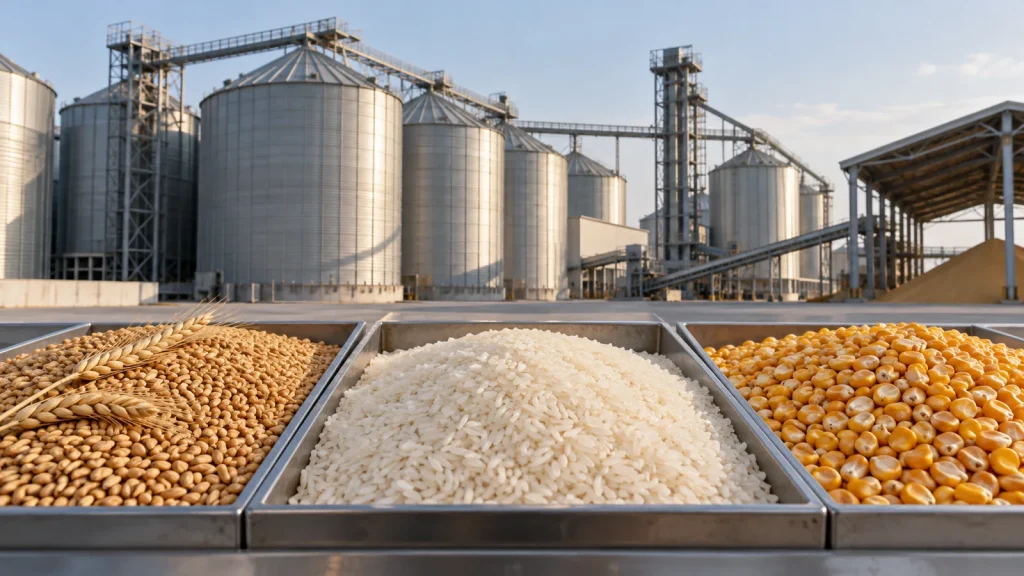
Remove oversized debris and undersize from wheat, corn and rice, then convey the cleaned grain with attention to breakage and carryover.
View solution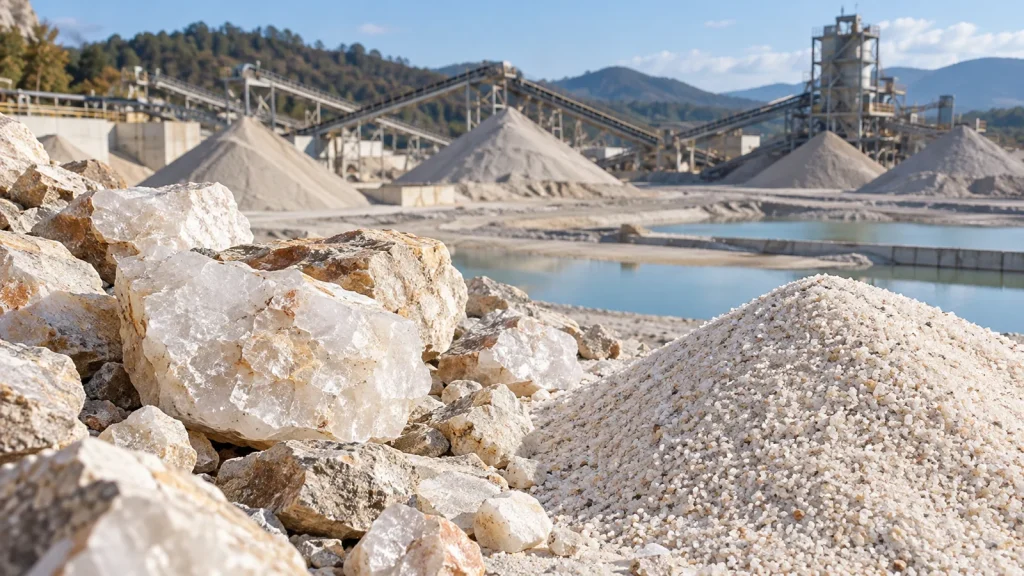
Classify dry silica sand, quartz and mineral granules into size fractions while controlling uneven feed, blocked mesh and wear.
View solution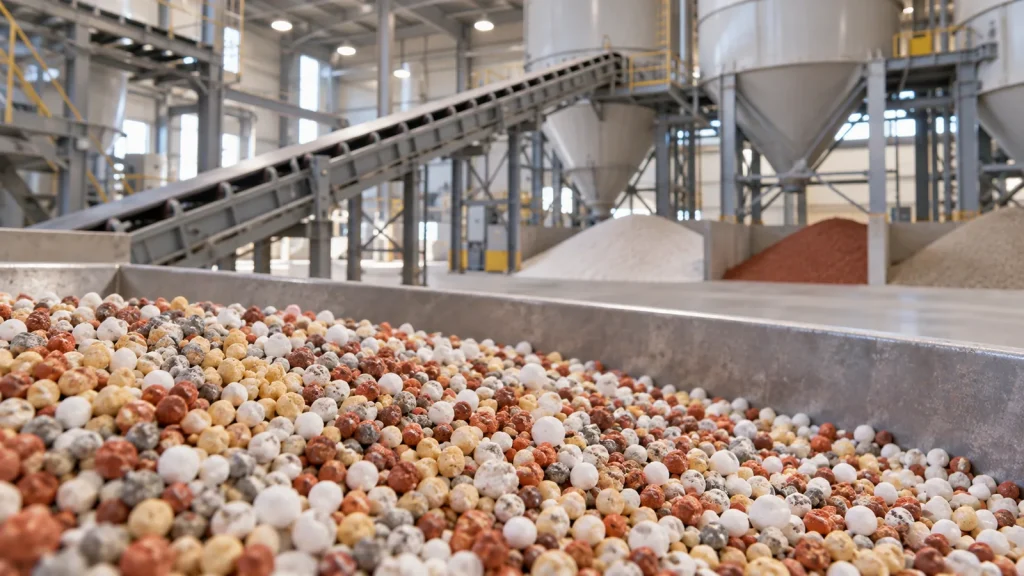
Separate fertilizer granules from fines and oversize, keep recycle streams distinct, and reduce breakage during conveying.
View solution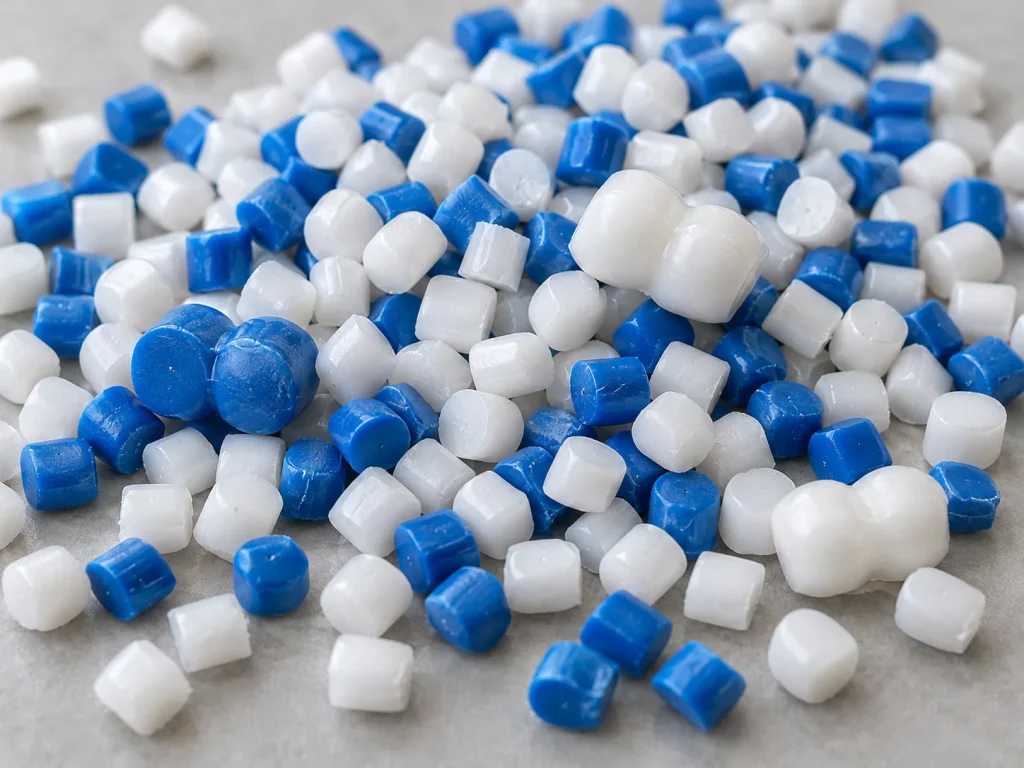
Separate fused plastic pellets and small fragments, keep useful pellets out of rejects, and limit contamination during grade changes.
Read guideSeparate fertilizer into fines, accepted granules and oversize, then identify transfer points that create new broken particles.
Read guide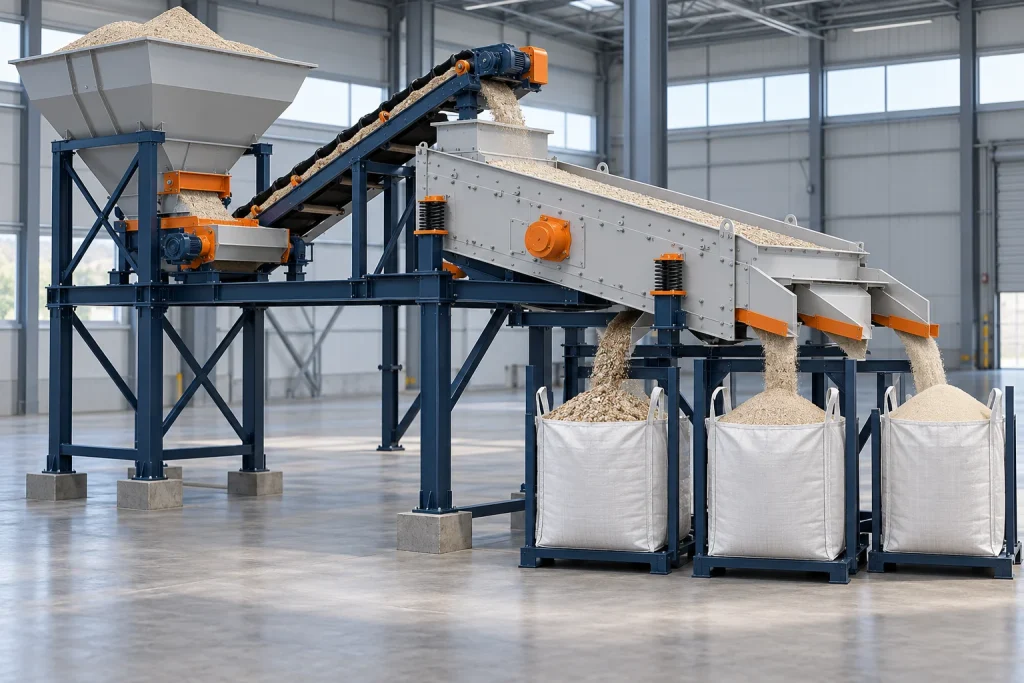
Application concept
How dry silica sand screens separate size fractions, why near-size grains are misplaced, and how mesh wear changes the cut.
Read guide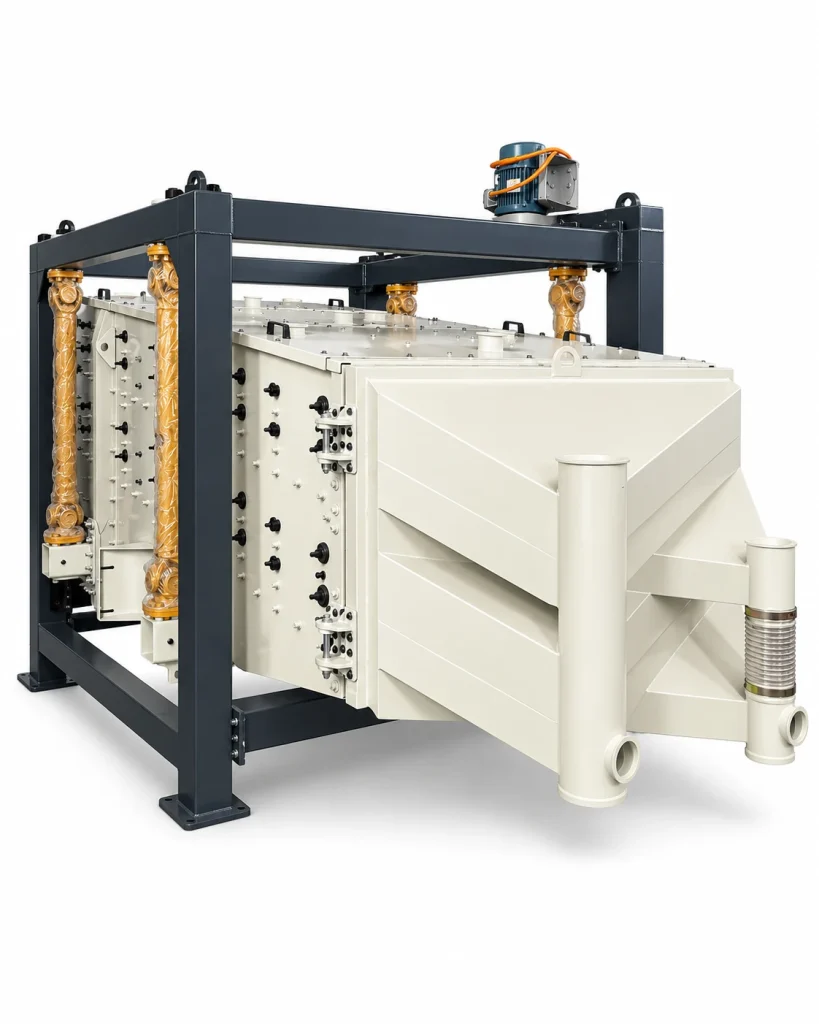
Compare screen motion, mesh openings and material properties to select equipment for the required size separation.
Read guideUseful answers
A finer aperture changes the open area and the passage probability. Recheck feed rate and near-size content rather than retaining the original capacity assumption.
Their rotation and mounting determine the resultant throw. An incorrect arrangement can disturb transport and overload the structure.
Start with your material
Share your material, throughput and process requirements. We will review the details needed for equipment selection.